

Unlocking different artistic styles for photo editing allows photographers, designers, and even amateurs to turn ordinary images into creative masterpieces. Each style brings a unique perspective and story, giving you the freedom to bend the rules and reveal the true essence of every photo. Let’s join DIGI-TEXX to explore inspiring photo editing styles, image styles, and different ways to give photos a distinctive visual identity.
25 Popular Styles Of Photo Editing
This guide covers types of photo editing styles with examples, from timeless black-and-white and vintage looks to cinematic, surreal, and AI-enhanced approaches.
Photo editing styles play an important role in defining the mood, atmosphere, and visual identity of an image. Understanding different editing styles makes it easier to choose a suitable style image for each project. From cinematic color grading to soft pastel tones, every editing style creates a different emotional experience for viewers. Choosing the right style can completely transform how a photo feels and how effectively it tells a story. Among the many different photo styles available, the best photo style depends on the subject, audience, and creative goal.
1. Black And White Editing
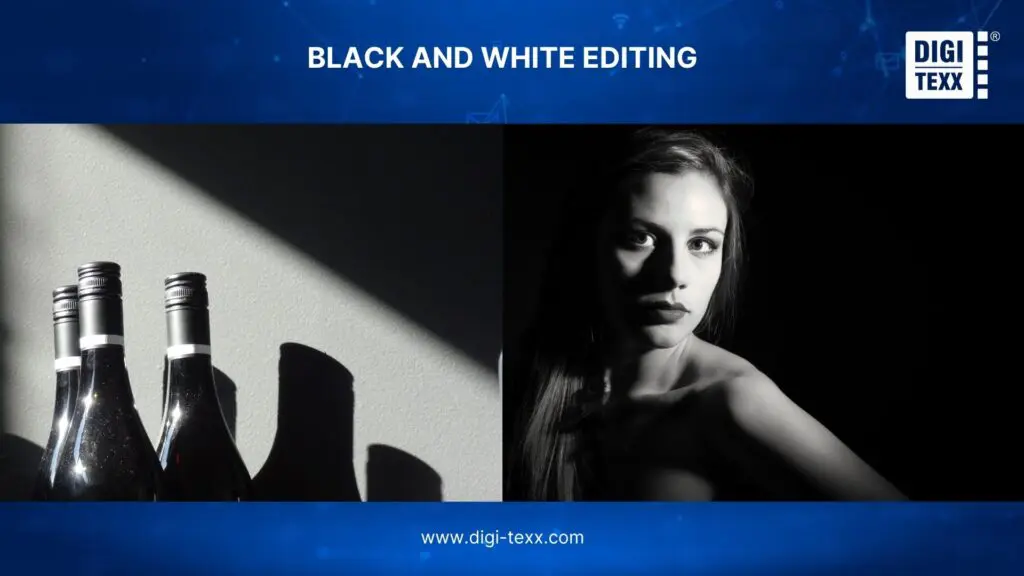
Black and white is one of the most timeless styles of photo editing because it highlights emotion, contrast, and composition without relying on color. Black and white editing removes color to emphasize lighting, texture, shape, and emotion. Without color distractions, viewers focus more on facial expressions, composition, and contrast. This timeless style is commonly used in portrait, documentary, and street photography.
Editors usually adjust shadows, highlights, and grain to create either a soft classic look or a dramatic cinematic effect. Strong contrast can make images feel bold and emotional, while softer tones create a more elegant atmosphere.
>>> Explore more: Portrait Photo Editing: Best Techniques, Tips, and Free Tools
2. Vintage/Retro Look
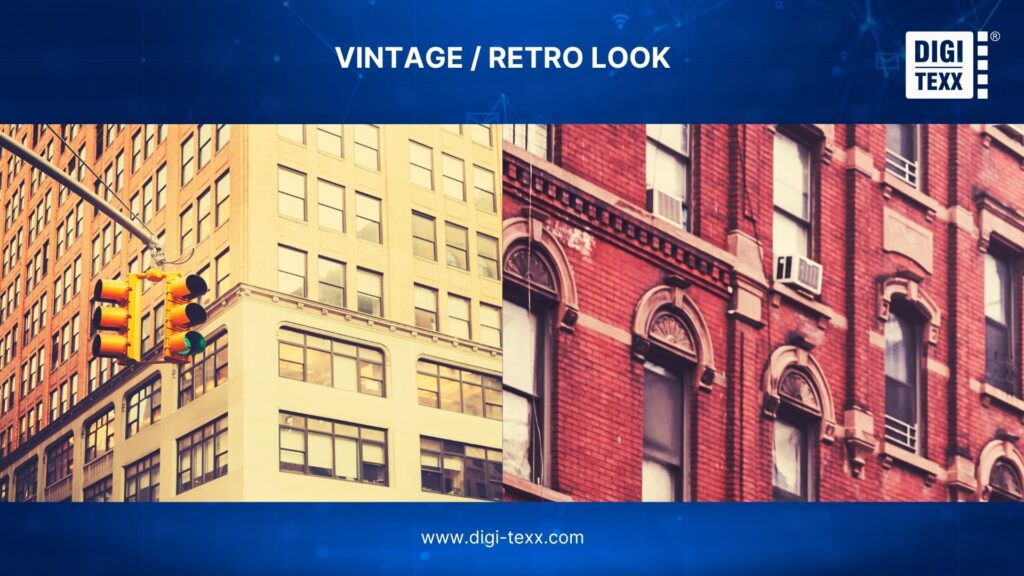
Vintage or retro editing recreates the appearance of old photographs using faded colors, warm tones, film grain, and light leaks. This style is inspired by analog cameras and nostalgic photography trends from past decades.
Photographers often reduce contrast and saturation to create an aged effect. Vintage editing works especially well for travel, lifestyle, and fashion photography because it adds warmth and personality to images.
3. Film Emulation
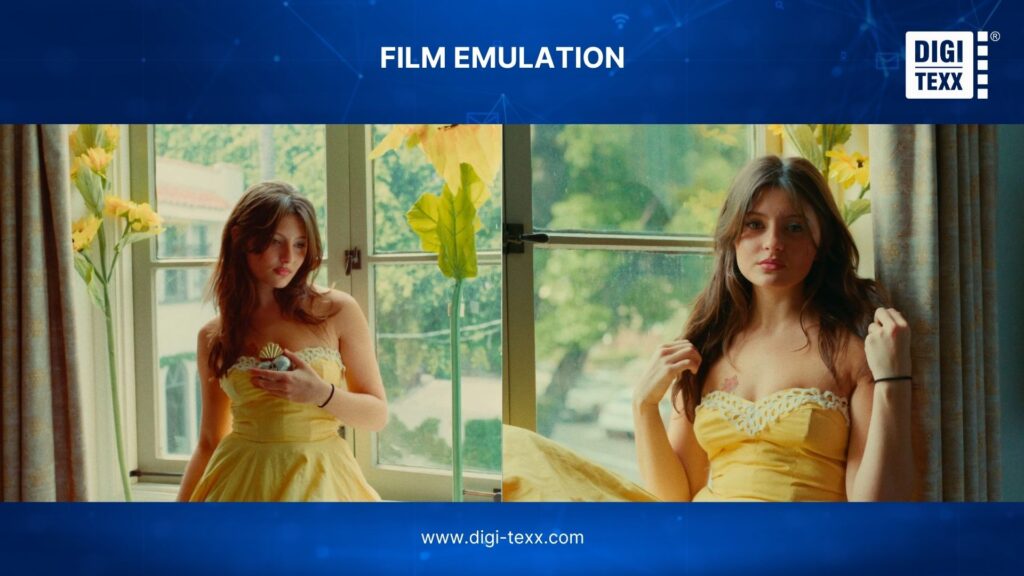
Film emulation editing is designed to recreate the look and tonal characteristics of traditional film photography, including popular film stocks such as Kodak Portra and Fujifilm film simulations. This style often features natural color rendering, subtle film grain, softer highlight roll-off, and a more organic visual appearance.
Different film simulations can create different moods, ranging from warm portrait tones to rich cinematic shadows. Film emulation is widely used in wedding, editorial, lifestyle, and storytelling photography because it helps images feel more timeless, emotional, and cinematic.
>>> See more: How to Edit Photos to Look Like Film: 6 Easy Tips
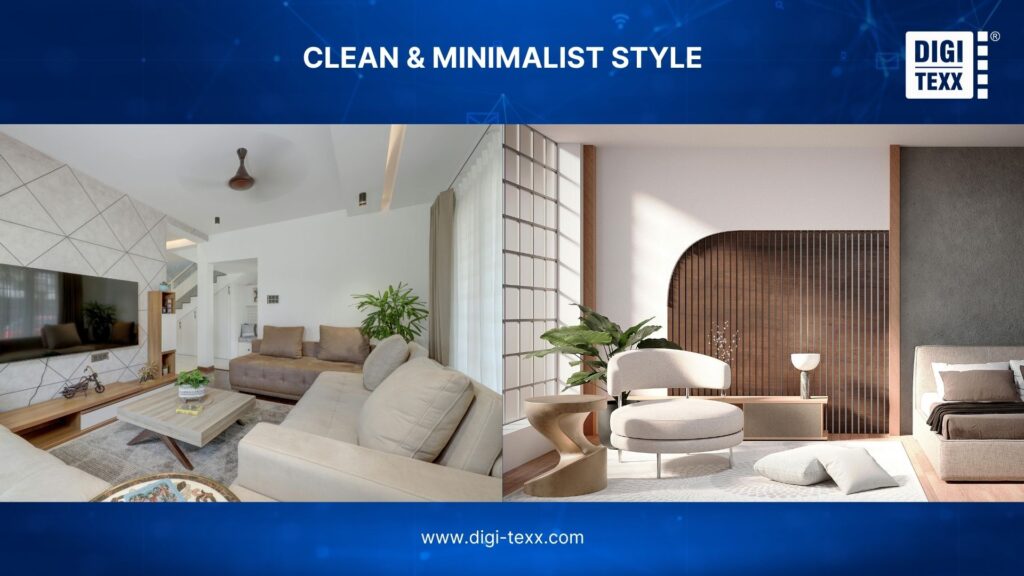
4. Clean & Minimalist Style
Clean and minimalist editing focuses on simplicity, balanced lighting, and uncluttered compositions. This style avoids excessive filters or dramatic effects and instead creates polished, modern-looking images.
Neutral colors, soft lighting, and negative space are often used to achieve a refined visual appearance. Minimalist editing is popular in branding, product photography, architecture, and social media content.
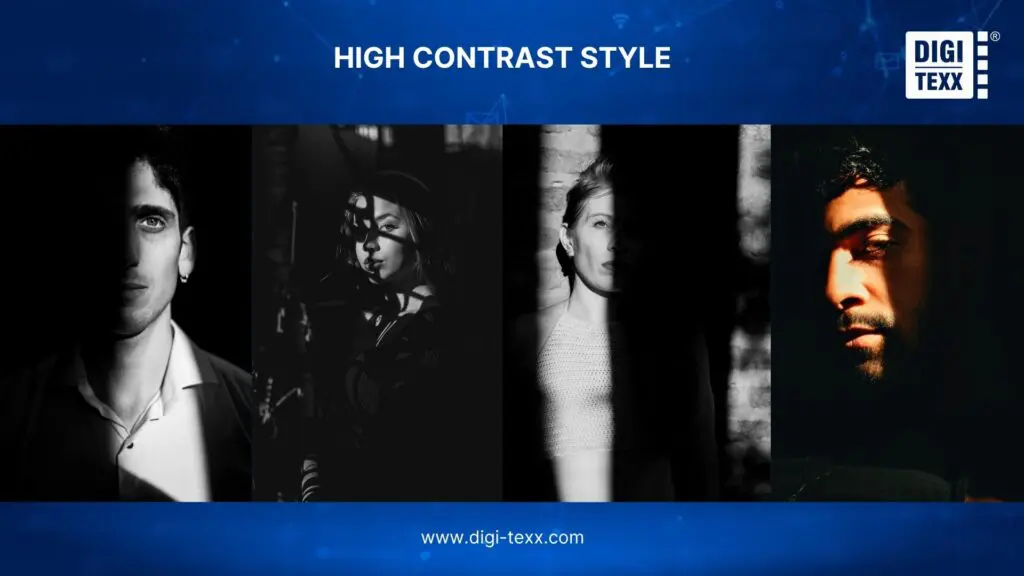
5. High Contrast Style
High contrast editing increases the difference between highlights and shadows to create bold and striking visuals. This style adds intensity, depth, and drama to photographs.
It is commonly used in fashion, sports, and urban photography because strong lighting helps subjects stand out clearly. Deep blacks and bright highlights create a powerful visual impact.
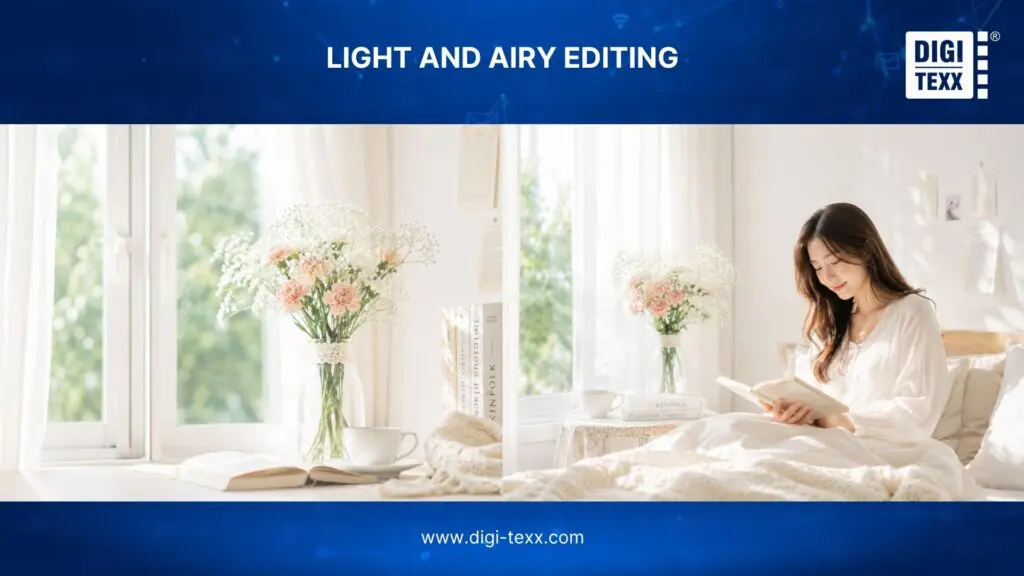
6. Light And Airy Editing
Light and airy editing uses bright exposure, soft contrast, and clean color tones to create a fresh and elegant atmosphere. This style is especially popular in wedding, newborn, and lifestyle photography because it helps images feel romantic, natural, and visually soft.
Editors typically reduce heavy shadows and maintain bright highlights to create a clean and polished aesthetic. The overall look often feels warm, delicate, and timeless while preserving a natural appearance.
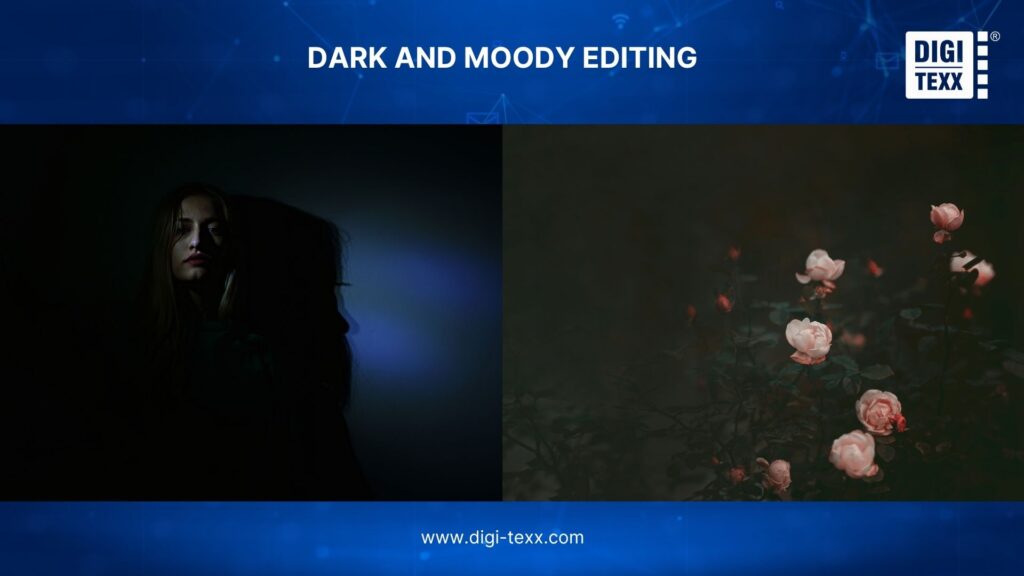
7. Dark And Moody Editing
Dark and moody editing focuses on deep shadows, muted colors, and emotional lighting. This style creates a cinematic atmosphere that feels mysterious, dramatic, and intense.
Photographers often lower brightness and saturation while emphasizing texture and contrast. Moody editing is commonly used in portrait, travel, and storytelling photography.
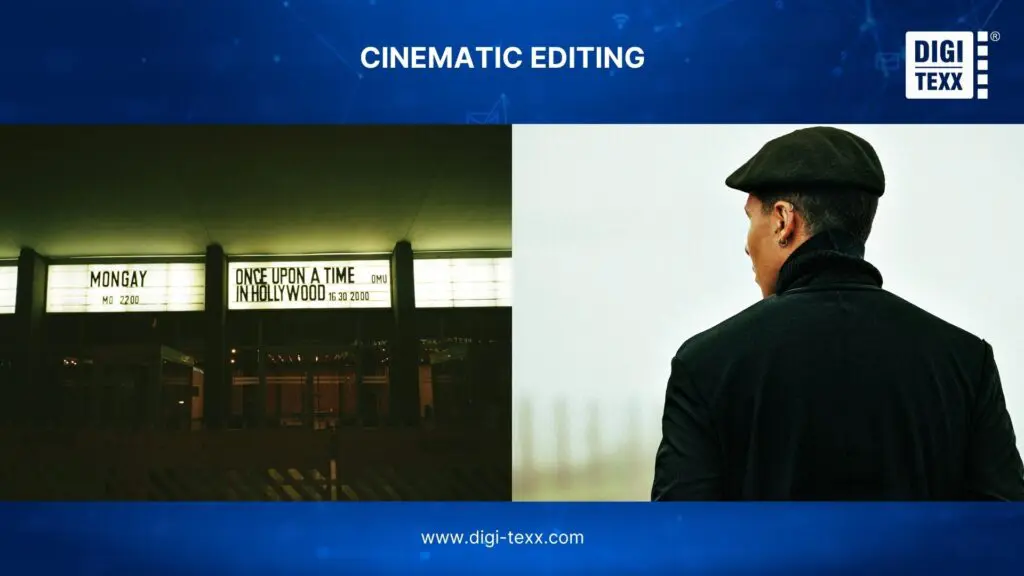
8. Cinematic Editing
Among modern styles of photo editing, cinematic editing is especially popular for its immersive storytelling and movie-inspired atmosphere. Cinematic editing is inspired by movie scenes and visual storytelling techniques. It often includes dramatic color grading, atmospheric lighting, and wide cinematic framing.
Many editors use teal-and-orange tones or film-inspired colors to create a professional movie-like appearance. This style is widely used in travel, fashion, and creative portrait photography.
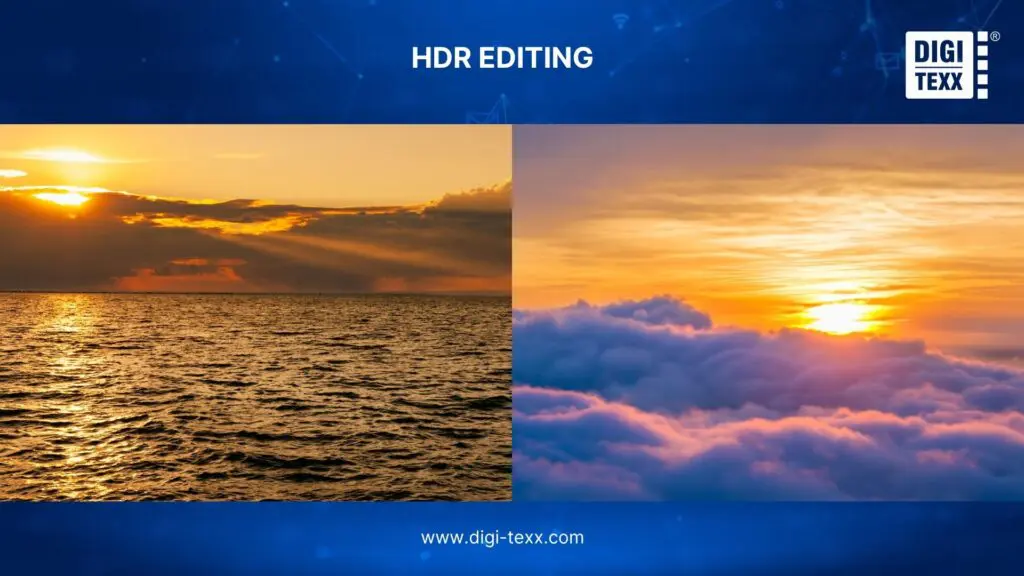
9. HDR Editing
HDR, or High Dynamic Range editing, combines multiple exposures to preserve details in bright and dark areas of an image. The result is a highly detailed photo with balanced lighting.
HDR editing is especially useful in landscape, architecture, and real estate photography, where lighting conditions are difficult to capture in a single shot.
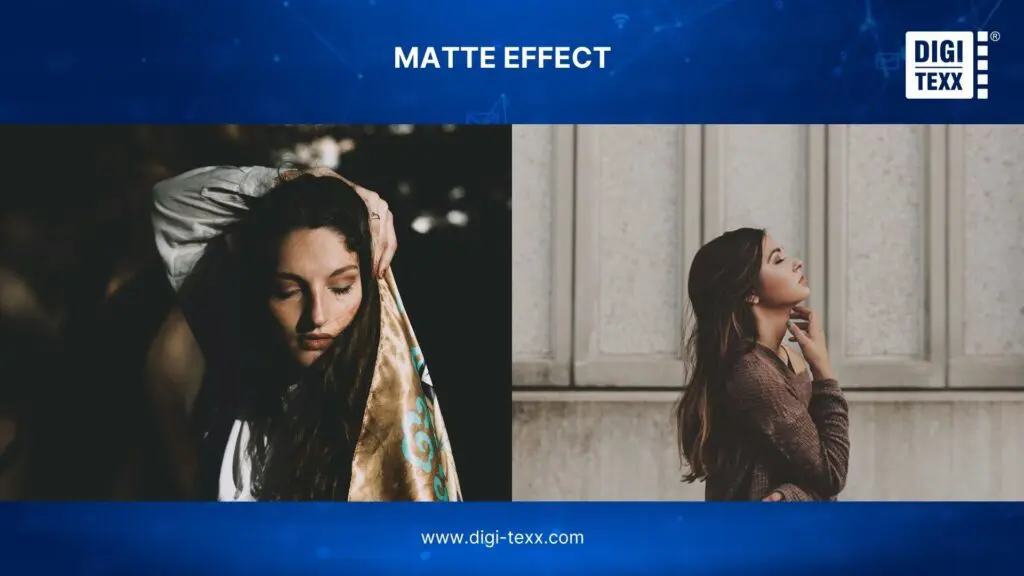
10. Matte Effect
Matte editing creates a faded look by lifting black tones and reducing overall contrast. This style softens images and produces a smooth, film-inspired appearance.
Matte effects are popular in fashion, lifestyle, and social media photography because they create a calm and modern mood. Muted shadows help photos feel softer and more aesthetic.
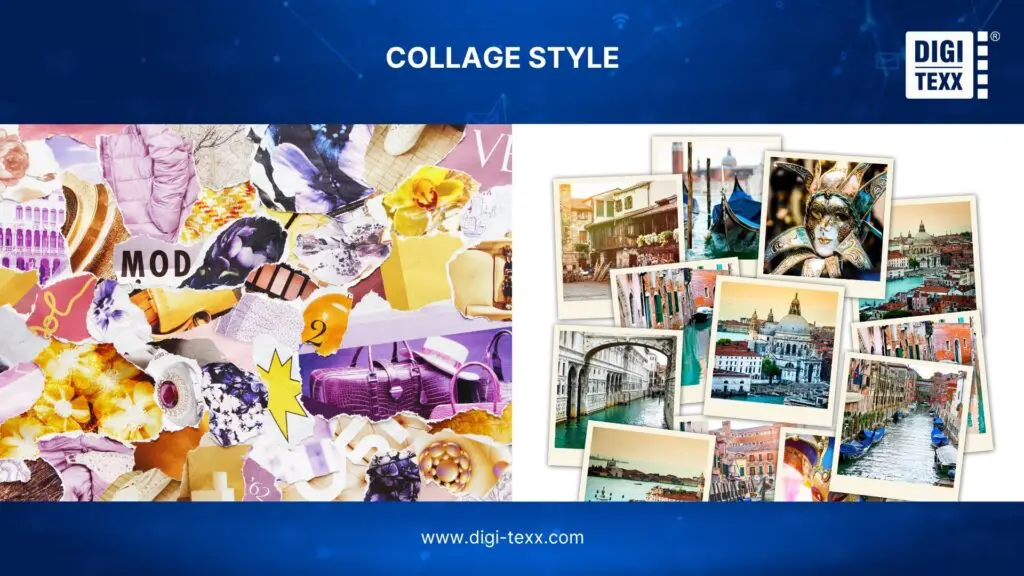
11. Collage Style
College editing combines multiple photos, textures, graphics, or illustrations into one creative composition. This style allows artists to tell visual stories playfully and artistically.
Collages are commonly used in digital art, editorial design, and social media campaigns. Different layers and layouts can create energetic, emotional, or experimental visuals.
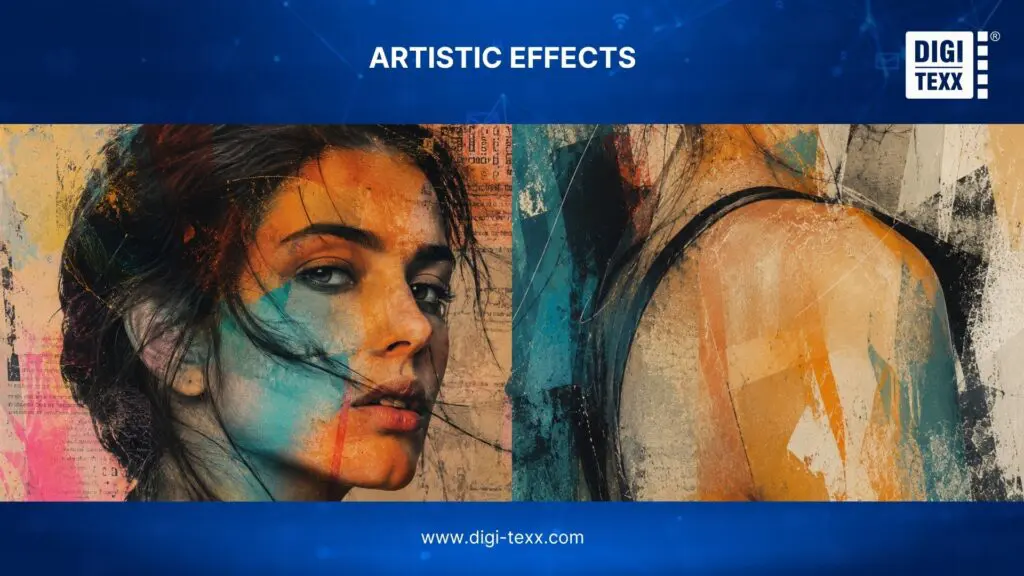
12. Artistic Effects
Artistic effects editing transforms ordinary photos into expressive visual artwork using overlays, textures, color manipulation, or painterly effects. This style encourages experimentation and creativity.
Depending on the editing technique, images can appear abstract, fantasy-inspired, or highly stylized. Artistic effects are popular in conceptual photography and advertising projects.
13. Cross-Processed
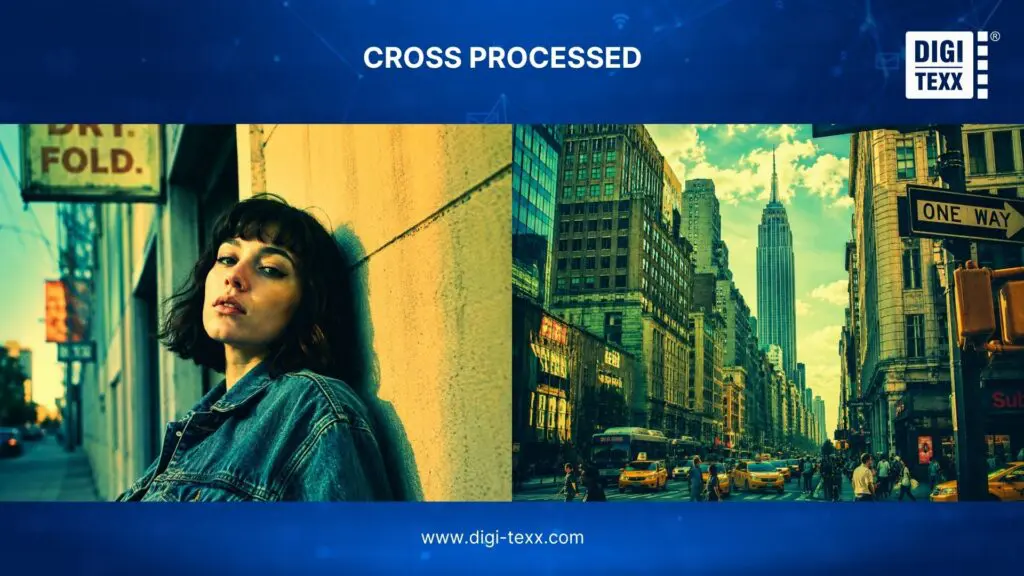
Cross-processing is inspired by an analog film development technique that produces unusual color shifts and stronger contrast. Images often contain vibrant greens, blues, or yellow tones.
This editing style creates a retro and experimental look that feels energetic and bold. Cross-processing is commonly used in fashion, street, and music photography.
>>> See more: Fashion Photo Retouching: Key Techniques, Benefits, and Tips
14. Fine Art Style
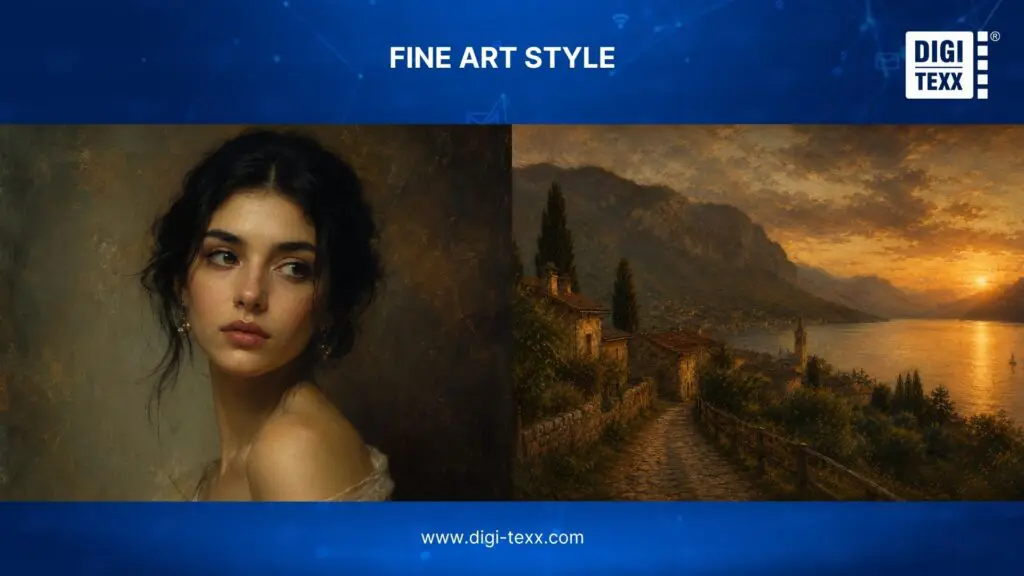
Fine art editing stands out among creative styles of photo editing because it prioritizes artistic expression and visual storytelling over realism. Fine art editing focuses on storytelling, emotion, and artistic vision rather than realism. Every editing decision is carefully designed to support a creative concept or narrative.
Photographers often use detailed retouching, soft lighting, and painterly color grading to create gallery-style images. Fine art photography is common in exhibitions and conceptual projects.
15. Pastel And Dreamy
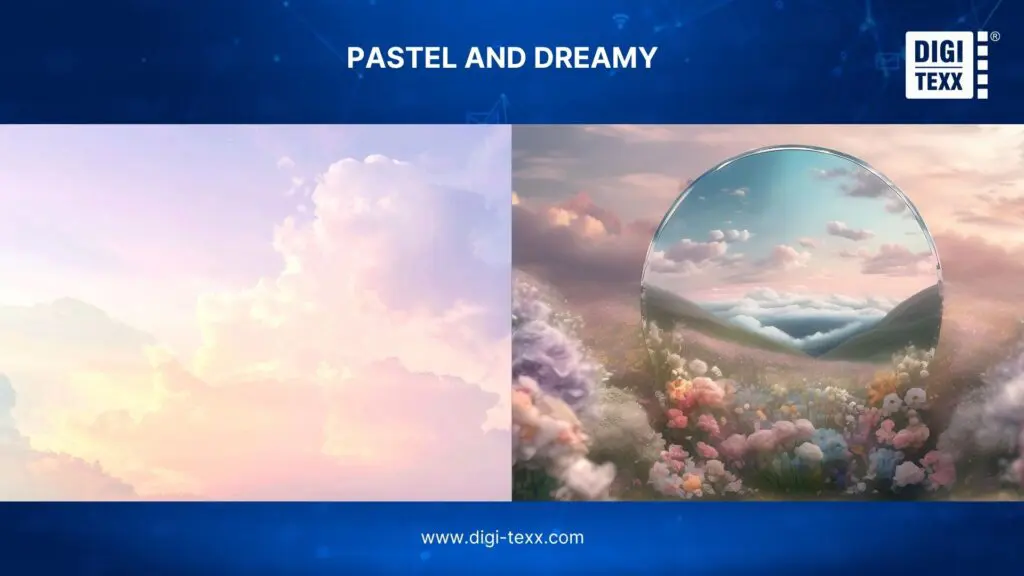
Pastel and dreamy editing uses soft pink, blue, and cream tones to create a romantic and whimsical atmosphere. The style often includes glowing highlights and low contrast.
This aesthetic is popular in portrait, fashion, and influencer photography because it creates soft and visually pleasing images. Smooth skin tones and gentle lighting help enhance the dreamy appearance.
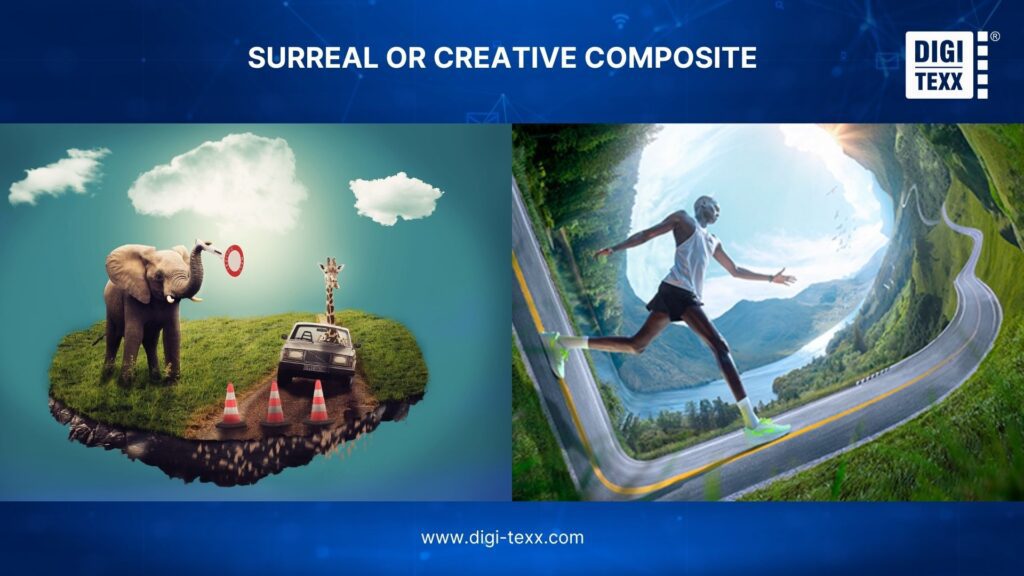
16. Surreal Or Creative Composite
Surreal composite editing combines multiple images to create imaginative scenes that cannot exist in reality. Artists blend subjects, environments, and effects to build fantasy-inspired visuals.
This style is widely used in conceptual photography, digital art, and advertising because it allows unlimited creative expression and storytelling.
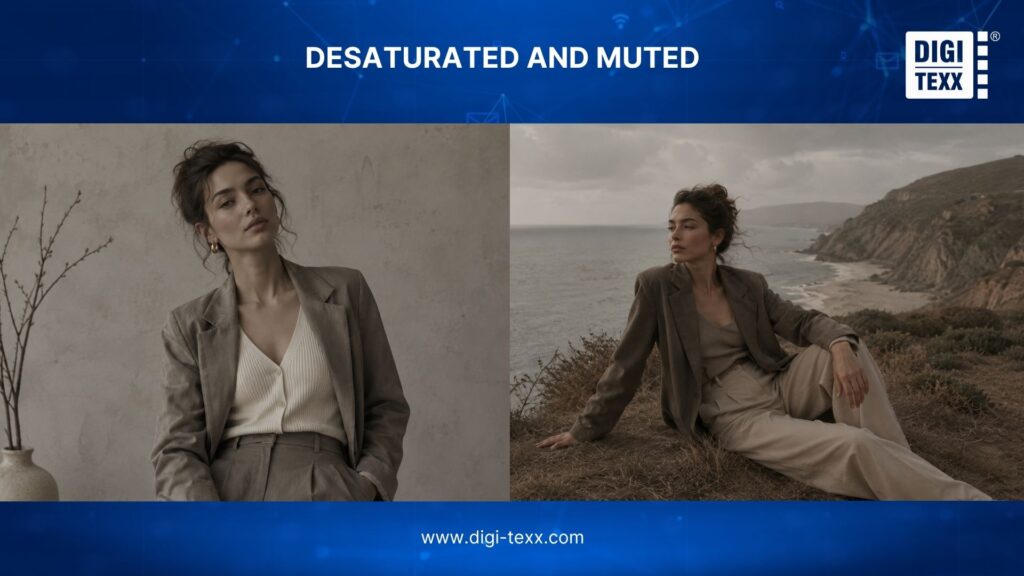
17. Desaturated And Muted
Desaturated editing reduces the intensity of colors to create a softer and more understated mood. Instead of bright vibrant tones, the style focuses on subtle and balanced color palettes.
Muted tones are commonly used in editorial, cinematic, and lifestyle photography because they create a sophisticated and emotional atmosphere.
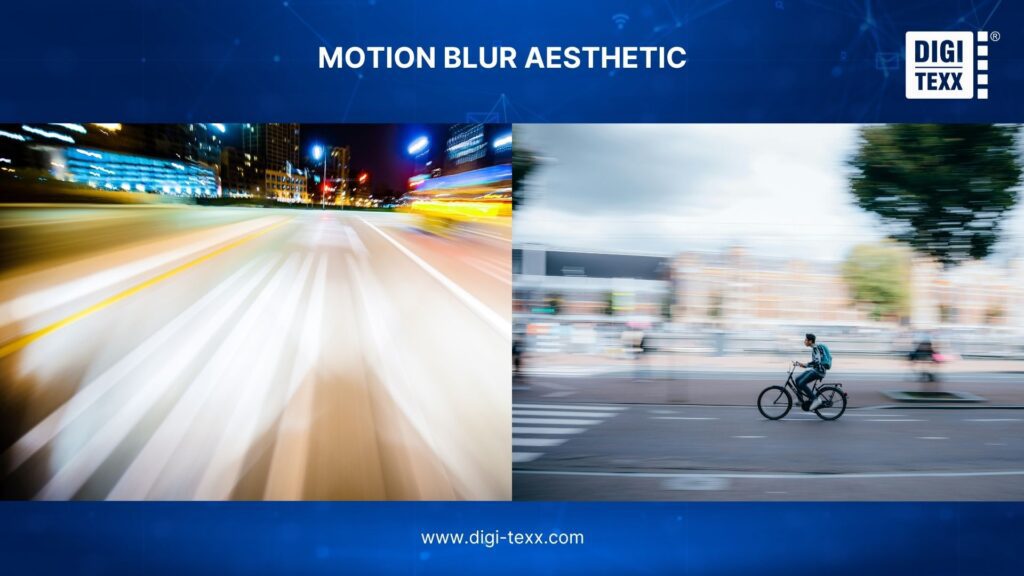
18. Motion Blur Aesthetic
Motion blur editing intentionally adds movement to a photo to create energy and visual excitement. Blurred motion can make static scenes feel dynamic and cinematic.
This style is often used in dance, nightlife, sports, and experimental photography. Motion blur helps communicate speed, emotion, and atmosphere.
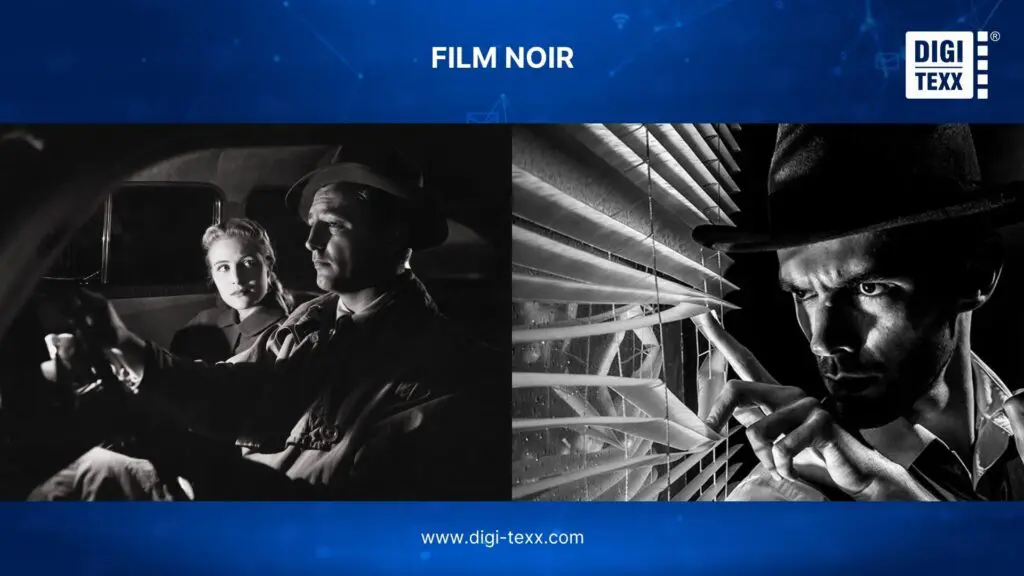
19. Film Noir
Film noir editing is inspired by classic black-and-white crime films known for dramatic lighting and mysterious storytelling. The style relies heavily on shadows, silhouettes, and contrast.
Editors often use monochrome tones and directional lighting to recreate the timeless noir atmosphere. This aesthetic works especially well for cinematic portraits.
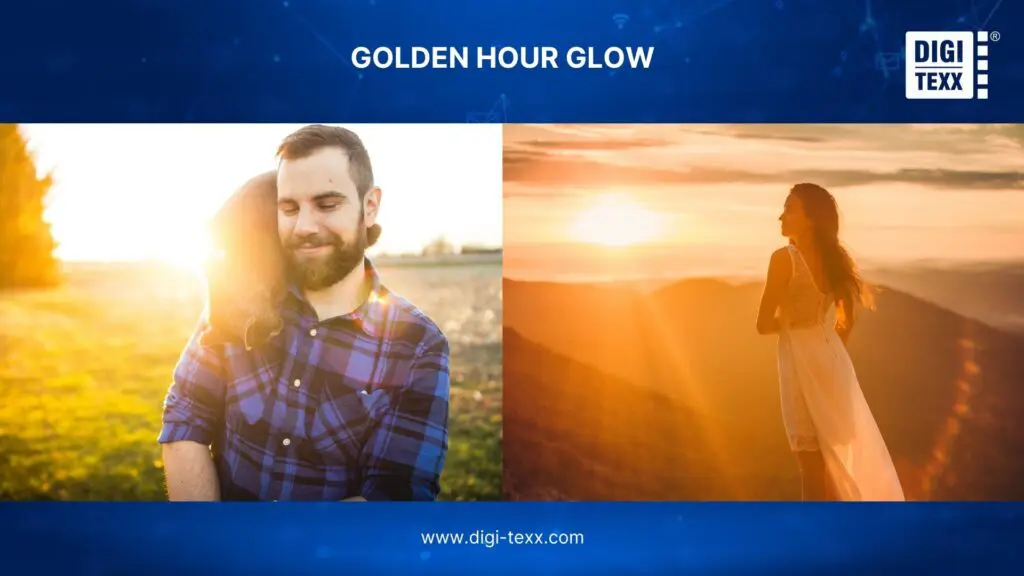
20. Golden Hour Glow
Golden hour editing enhances the warm sunlight that appears shortly after sunrise or before sunset. This style creates soft highlights and a natural golden glow.
Warm tones and gentle shadows help photos feel peaceful, cinematic, and emotional. Golden hour editing is especially popular in portrait and travel photography.
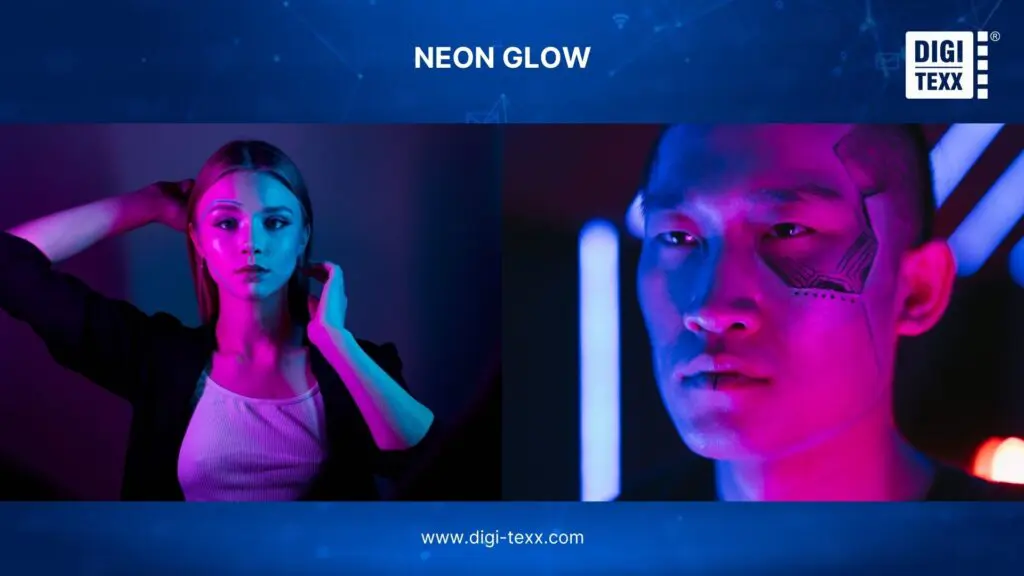
21. Neon Glow
Neon glow editing uses vibrant neon lighting and futuristic colors to create a cyberpunk-inspired atmosphere. Bright pink, blue, and purple tones are commonly used in this style.
Strong color contrast and glowing highlights help produce energetic and visually striking images. Neon editing is popular in nightlife, fashion, and urban photography.
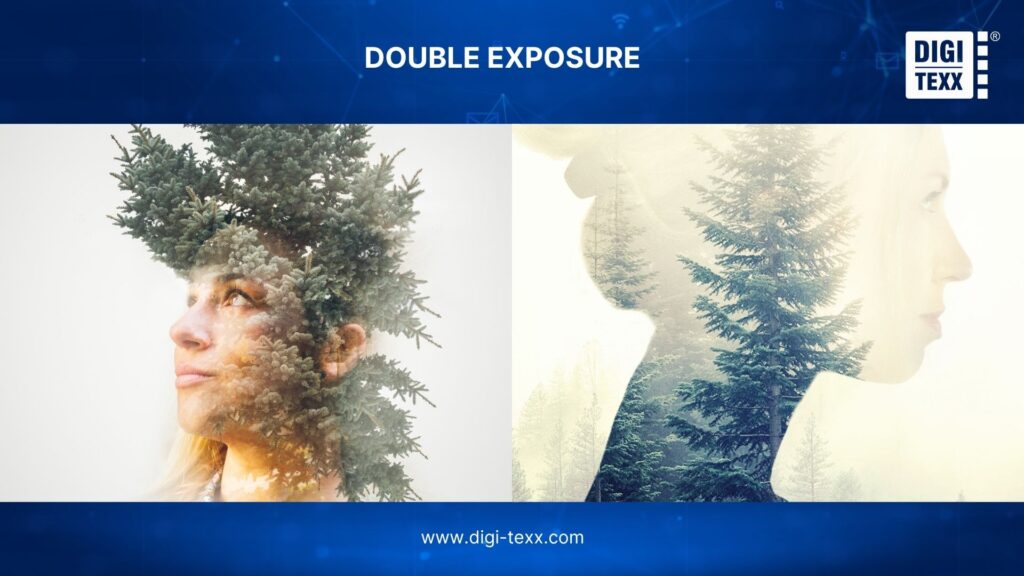
22. Double Exposure
Double exposure editing blends two or more images together into one layered composition. Portraits are often combined with landscapes, textures, or silhouettes to create symbolic visuals.
This artistic technique produces emotional and surreal results that are widely used in conceptual photography and creative branding.
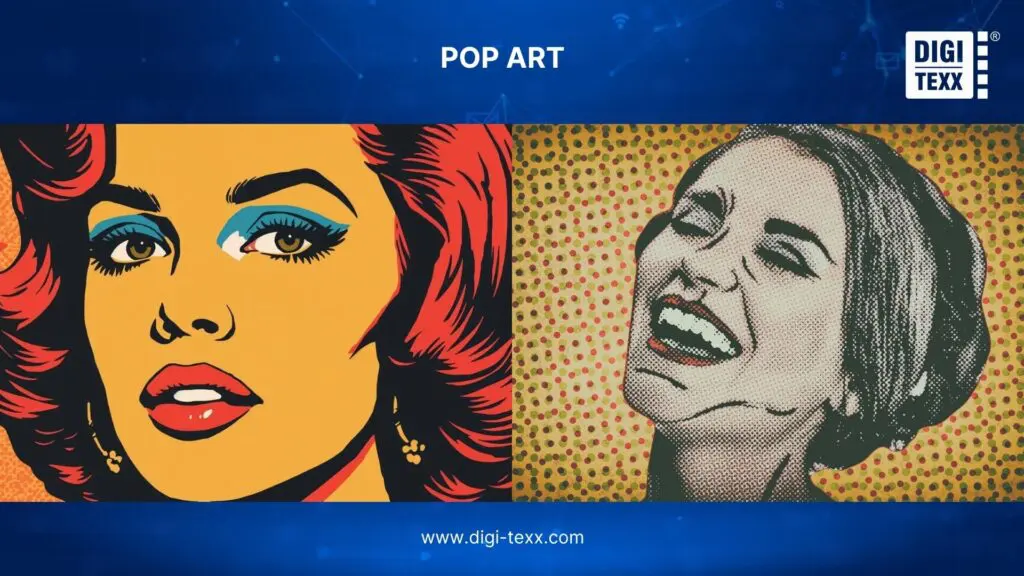
23. Pop Art
Pop art editing uses bold colors, graphic shapes, and comic-inspired effects to create playful and energetic visuals. The style is heavily influenced by modern pop art movements.
Editors often increase saturation and add illustrated textures or repeated patterns to create eye-catching images. Pop art editing is popular in advertising and social media design.
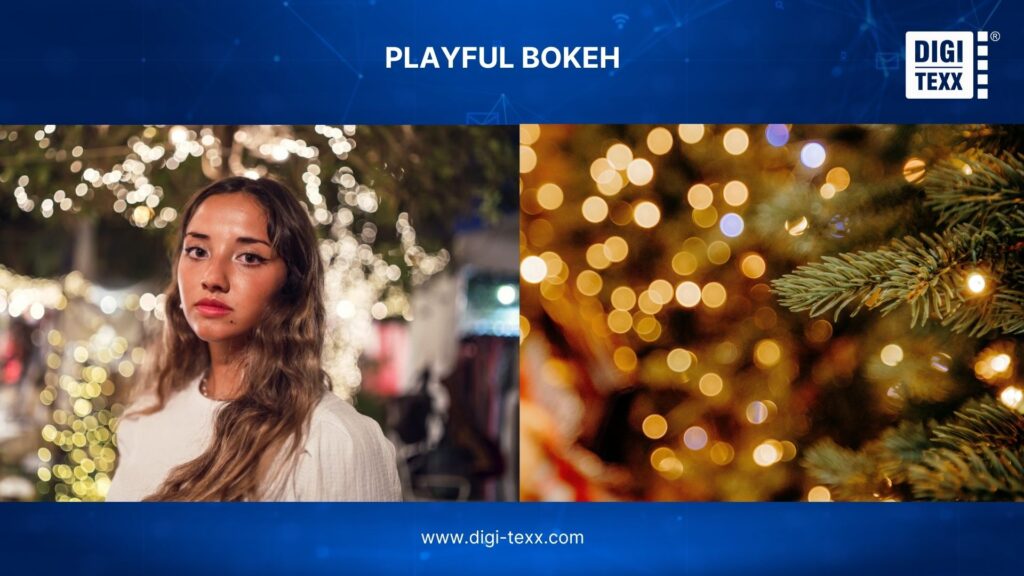
24. Playful Bokeh
Playful bokeh editing highlights blurred background lights and shallow depth of field to create dreamy and visually attractive photos. Circular light patterns help add softness and depth.
This style is especially popular in portrait, holiday, and nightlife photography because it creates a magical and cinematic atmosphere around the subject.
25. Low-Key Photography Editing
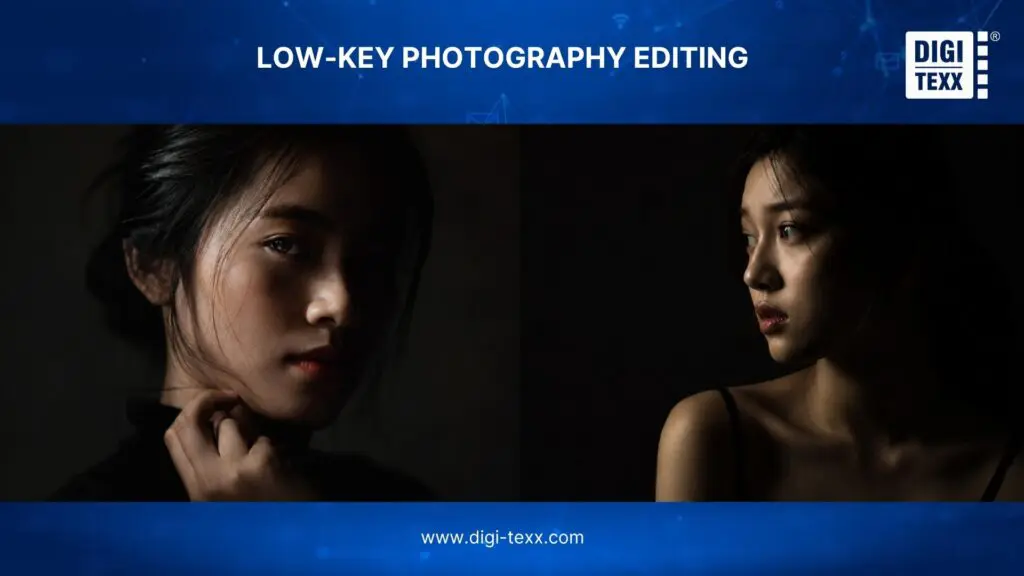
Low-key editing focuses on deep shadows, controlled highlights, and dramatic lighting to create a dark and atmospheric image. This style is designed to emphasize mood, mystery, and emotional intensity while drawing attention to the subject.
Unlike general dark and moody editing, low-key photography relies heavily on lighting direction and shadow control to create contrast and depth. It is widely used in portrait, cinematic, fine art, and conceptual photography.
How To Choose The Right Style Of Photo Editing?
Choosing the right style of photo editing depends on the subject, mood, audience, and overall visual direction you want to create. Different editing styles can completely change how viewers perceive an image, from soft and romantic aesthetics to dramatic cinematic storytelling. Selecting the right style helps create stronger visual consistency and emotional impact.
Choose Based On Photography Type
Different photography genres often work better with specific editing styles:
- Light and Airy Editing: Ideal for weddings, newborns, and lifestyle photography because it creates a bright and romantic atmosphere.
- Cinematic Editing: Commonly used in travel and storytelling photography, thanks to dramatic color grading and movie-inspired visuals.
- High Contrast Editing: Popular in fashion, sports, and editorial photography for its bold shadows and eye-catching details.
- Dark and Moody Editing: Suitable for portraits and outdoor photography because deep shadows create emotional depth and cinematic atmosphere.
- Clean & Minimalist Editing: Frequently used in product photography and branding to create a modern and professional appearance.
Consider The Mood And Visual Impact
Every editing style creates a different emotional response:
- Warm tones: Cozy, nostalgic, cinematic
- Cool tones: Modern, dramatic, futuristic
- Soft pastel colors: Dreamy, romantic, calming
- High contrast effects: Bold, energetic, eye-catching
- Muted tones: Sophisticated, editorial, minimal
Elements such as color grading, shadows, highlights, and grain can significantly influence how an image feels and how effectively it communicates visual storytelling.
Maintain A Consistent Visual Identity
Using consistent editing styles across portfolios, websites, and social media helps photographers and brands build a stronger visual identity. Whether you prefer cinematic color grading, vintage aesthetics, or clean modern edits, choosing the right styles of photo editing can make images feel more professional, memorable, and visually engaging.
Best Tools And Techniques For Different Styles Of Photo Editing
Photo Editing Software
Different styles of photo editing often require different editing tools depending on the creative goal and workflow. The right tools can support different types of image editing, from simple color adjustments to advanced composites. Adobe Lightroom is widely used for cinematic editing, film emulation, matte effects, and color correction because of its powerful preset and tonal adjustment features.
Adobe Photoshop is more suitable for advanced retouching, surreal composites, double exposure effects, and fine art editing thanks to its layer-based editing system. Other tools such as Capture One, VSCO, Snapseed, and Canva are also popular for fashion photography, vintage aesthetics, mobile editing, and social media content creation.
Color Grading Techniques
Color grading is one of the most important elements in styles of photo editing because it defines the mood, atmosphere, and emotional impact of an image. Warm tones are commonly used in cinematic, vintage, and golden hour photography, while cooler tones are often associated with moody, urban, and futuristic aesthetics.
Photographers use techniques such as split toning, HSL adjustments, curves, shadow lifting, exposure balancing, and contrast control to create more polished and immersive visuals. Professional color grading also helps maintain consistency across a photography portfolio or social media feed, making images feel more cohesive and visually recognizable.
Creative Effects And Retouching Techniques
Creative effects and retouching techniques allow photographers to enhance images beyond basic editing and color correction. Popular methods include skin retouching, dodge and burn, masking, overlays, motion blur effects, double exposure, and digital compositing.
These techniques are commonly used in surreal, cinematic, fashion, and fine art photography to create more artistic and visually engaging results. When applied carefully, creative retouching can improve storytelling, highlight important details, and give photos a more professional and polished appearance without making them look over-edited.
AI Tools And Modern Trends In Photo Editing
AI technology is transforming modern styles of photo editing by making editing workflows faster, smarter, and more accessible. Many editing platforms now offer AI-powered features such as AI photo retouch, automatic color correction, background removal, skin retouching, object selection, generative editing tools, and advanced image processing for virtual try-on AI model applications used in fashion and ecommerce visualization.
Modern editing trends also focus heavily on cinematic color grading, realistic skin textures, film-inspired aesthetics, and immersive storytelling. As AI tools continue to evolve, photographers and content creators can experiment with different editing styles more efficiently while still maintaining high visual quality and creative consistency, including through advanced AI photo retouch techniques that enhance natural beauty while preserving authentic details.
“Photographers saved more than 89 million hours of editing time using AI-powered editing tools in 2025, showing how AI is rapidly transforming modern photo editing workflows.” — Harshit Dwivedi, Founder of Aftershoot.
Enhance Every Style Of Photo Editing With DIGI-TEXX
Creating professional styles of photo editing involves more than just filters and presets. High-quality editing requires color grading, retouching, lighting correction, and visual consistency to create impactful and professional-looking images.
DIGI-TEXX provides professional photo editing and image processing services for photographers, eCommerce brands, retailers, and businesses, delivering polished visuals through experienced editing specialists and industry-standard tools like Photoshop and Lightroom.
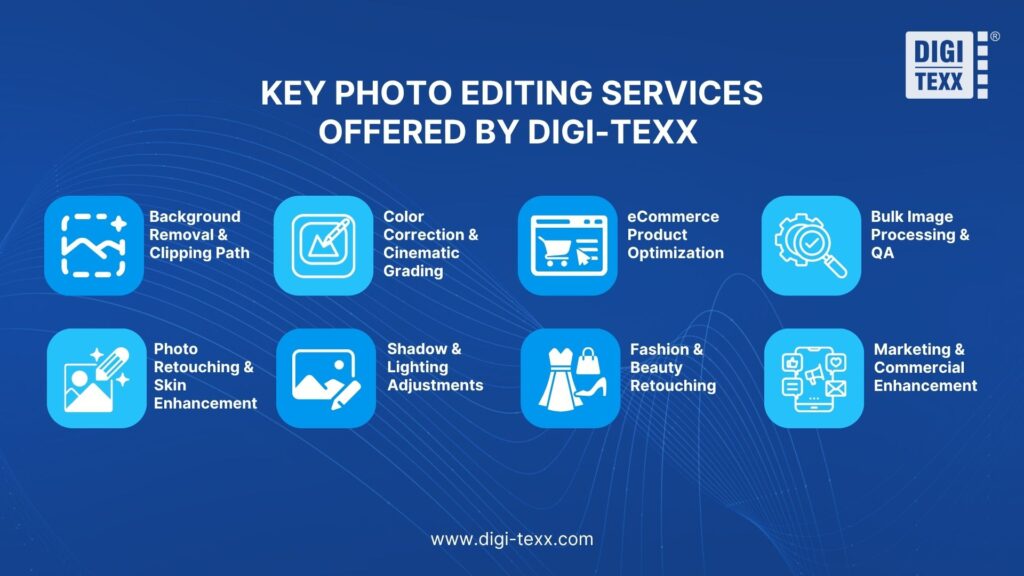
Key Photo Editing Services Offered by DIGI-TEXX:
- Background removal and clipping path services
- Professional photo retouching and skin enhancement
- Color correction and cinematic color grading
- Shadow creation and lighting adjustments
- Product photo optimization for eCommerce platforms
- High-end fashion and beauty retouching
- Bulk image processing with quality assurance workflows
- Image enhancement for marketing and commercial campaigns
With scalable workflows, fast turnaround times, and strict quality control processes, DIGI-TEXX supports businesses in producing high-quality visual content that strengthens branding, improves customer engagement, and maintains consistency across digital platforms.
>>> Explore more:
- Professional Fashion Photo Editing Services for Stunning Visuals
- Ecommerce Photo Retouching Services For High Quality Product Images
FAQs About Styles Of Photo Editing
What Are The Trending Photo Editing Styles In 2026?
Trending photo editing styles include:
- AI-enhanced realism: Using AI photo editing to improve clarity.
- Y2K Aesthetics: Bright, blurry, and high-flash effects.
- Natural/No-edit look: Subtle enhancements that maintain the original feel.
What Is A Photo Editing Style?
A photo editing style is a consistent aesthetic or visual “signature” applied to images through post-processing. In other words, a photo style is the combination of color, lighting, contrast, texture, and other choices that gives an image its recognizable appearance. It is the specific combination of color adjustments, lighting, and textures that gives a photographer’s work a recognizable and cohesive look. Rather than just fixing errors, a style is used to evoke a specific mood or tell a story.
What Are The Most Popular Styles Of Photo Editing?
Popular photo editing styles range from natural and true-to-life to dramatic, artistic, and nostalgic looks. These are among the most common types of picture styles and types of images style photographers use to create a recognizable visual direction. Key styles include Light & Airy (soft, bright, romantic), Dark & Moody (deep shadows, rich colors), Bold & Vibrant (high saturation), and Vintage/Film (grainy, muted tones).
What Are Common Types Of Photo Editing Filters?
Types of photo editing filters range from:
- Polarizing filters: Reducing reflections.
- Neutral Density (ND) filters: Controlling light.
- Digital presets: Instant color grading like “Sepia,” “Monochrome,” or “Matte.”
How Do I Choose The Right Photo Editing Background?
A good photo editing background should complement the subject. You can use photo editing software to blur a distracting background, replace it entirely with a solid color, or add textures to match a specific photo editing style.
Different styles of photo editing can completely transform the mood, storytelling, and visual impact of an image. Whether you prefer cinematic tones, clean product photography, or creative artistic effects, choosing the right editing style helps create a stronger and more consistent visual identity. For businesses and brands looking to achieve professional-quality results at scale, DIGI-TEXX provides reliable photo editing and retouching services tailored to different creative and commercial needs.
DIGI-TEXX Contact Information:
🌐 Website: https://digi-texx.com/
📞 Hotline: +84 28 3715 5325
✉️ Email: [email protected]
🏢 Address:
- Headquarters: Anna Building, QTSC, Trung My Tay Ward
- Office 1: German House, 33 Le Duan, Saigon Ward
- Office 2: DIGI-TEXX Building, 477-479 An Duong Vuong, Binh Phu Ward
- Office 3: Innovation
References:
- Adobe Inc. Adobe Photoshop & Lightroom Photo Editing Solutions https://www.adobe.com
- Professional Photographers of America (PPA). Photography Education and Retouching Resources https://www.ppa.com/