Ecommerce photo retouching services help online retailers and brands turn raw product images into marketplace-ready visuals through background removal, clipping path techniques, color correction, ghost mannequin editing, shadow creation, and other photo editing services. For businesses handling large product catalogs, outsourcing these tasks to a specialized provider can help maintain consistent image standards and scale production without expanding an in-house editing team.
AI image processing can support repetitive ecommerce image editing tasks, while professional photo retouching services remain important for visual judgment, brand consistency, and quality control. In this guide, DIGI-TEXX compares e-commerce photo retouching providers and explains what businesses should evaluate when outsourcing high-volume product image editing.
=> Read more:
- Architectural Photo Editing Service in the US | Top 5 Providers
- 14 Best Photo Editing Services For Photographers: 2026 Comparison
- Professional Image Retouch and Restoration Services

What Is Ecommerce Photo Retouching?
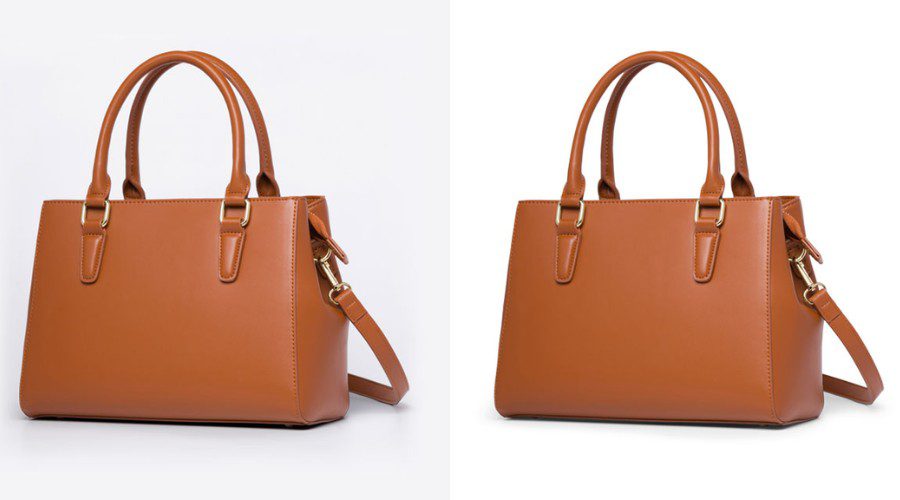
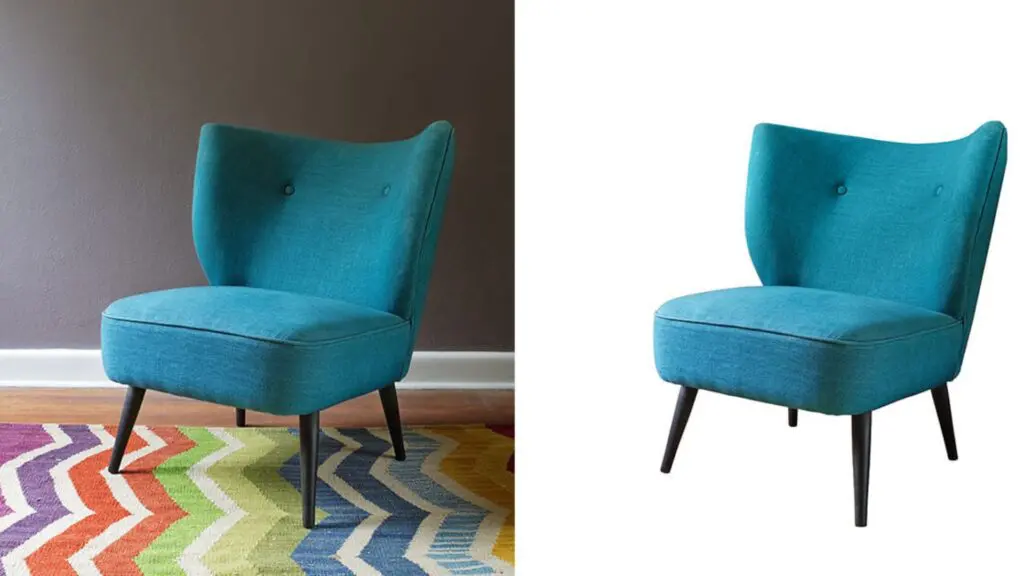
E-commerce photo retouching is the process of preparing product images for online stores, marketplaces, catalogs, and digital campaigns. Common tasks include background removal, clipping paths, color correction, product cleanup, shadow creation, ghost mannequin editing, cropping, and image optimization.”
The objective is to create consistent product visuals that follow a brand’s or marketplace’s image requirements. For example, jewelry images may require precise masking, reflection cleanup, and color correction, while apparel images may require ghost mannequin editing and standardized cropping across multiple SKUs.
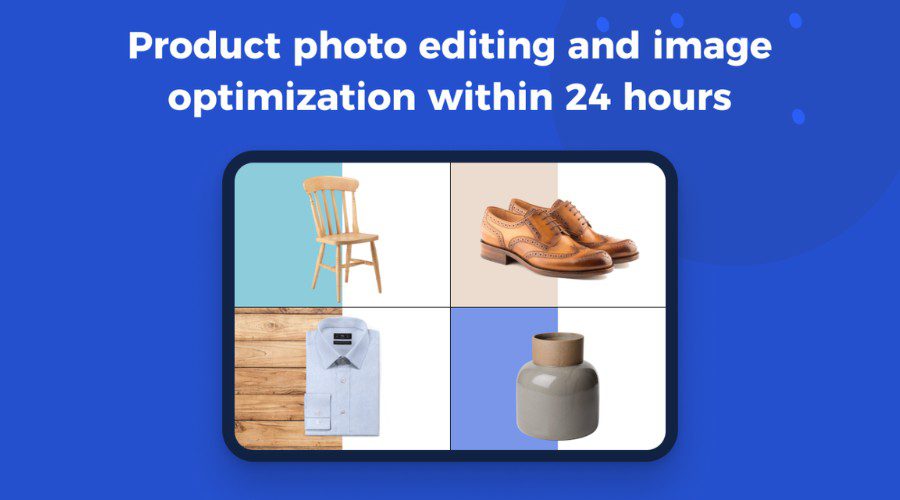
Why You Should Use E-commerce Photo Retouching Services?
Businesses typically use e-commerce photo retouching services when they need consistent product images across large catalogs, multiple sales channels, or recurring product launches. Outsourcing can be especially useful when internal teams do not have enough editing capacity or when image requirements involve specialized techniques such as clipping paths, masking, ghost mannequin editing, or detailed color correction.
Key business reasons:
- Maintain consistent product-image standards across SKUs and channels.
- Scale editing capacity during high-volume or seasonal production.
- Access specialized retouching techniques without expanding the in-house editing team.
- Prepare images according to marketplace or brand specifications.
- Reduce internal production time spent on repetitive post-production tasks.
According to MDG Advertising, 67% of consumers say that clear, detailed product images are more important than product descriptions when making a purchase decision, and high-quality visual content can significantly increase engagement and conversion rates in eCommerce. – MDG Advertising
=> Read more:
- Image Retouching Services | High-Quality Photo Enhancement
- Medical Claims Processing Outsourcing For Healthcare Providers
1. FixThePhoto
FixThePhoto is one of the most popular ecommerce product photo retouching services trusted by photographers and online businesses worldwide. With over 15 years of experience, the company has retouched more than 3 million images for clients across 85+ countries.
Services:
- Background removal
- Color correction
- Clipping path
- Shadow creation
- Product retouching
- Fashion and wedding photo editing
- Photo restoration.
Pricing: Professional plans start at $75 per month, while enterprise solutions begin at $1995 per month with customized workflows and large-scale production support.
Turnaround: Turnaround options range from next-day delivery to ultra-fast 1-hour processing for enterprise workflows.

2. PixelPhant
PixelPhant is a trusted provider of ecommerce product photo retouching services for fashion brands, online stores, and creative studios. Since 2016, the company has processed more than 2 million images and served over 2,500 global clients with fast and scalable editing solutions.
Services:
- Color correction
- Ghost mannequin effects
- Clipping and masking
- Shadow creation
- Editorial retouching
- File renaming
- eCommerce image uploading.
Pricing: Pricing starts at $0.80 per image for standard orders, while enterprise clients can access rates from $0.40 per image depending on volume.
Turnaround: Flexible turnaround options range from 2 hours to 72 hours based on project requirements.
3. WeEdit.Photos
WeEdit.Photos is a professional ecommerce product photo retouching services provider that has been supporting photographers, advertisers, and online retailers since 2003 with affordable and high-quality editing solutions.
Services:
- Color correction
- Background removal
- Product enhancement
- Mannequin removal
- Portrait retouching
- Product cleanup.
Pricing: Pricing ranges from $0.2 to $10 per image, with discounts available for returning customers and bulk orders.
Turnaround: Most editing projects are completed within 36 hours.
4. Wedding-Retouching
Wedding-Retouching is widely known for wedding photography editing but also delivers reliable ecommerce product photo retouching services with strong attention to detail and natural-looking enhancements.
Services:
- Color correction
- Object removal
- Product retouching
- Background enhancement
- Reflection removal
Pricing: Basic color correction starts from $0.2 per image, while advanced editing and manipulations can cost up to $10 per image.
Turnaround: Orders are typically delivered within 48 hours.
5. Pixel By Hand
Pixel By Hand offers ecommerce product photo retouching services for retailers and eCommerce businesses looking for basic product image enhancement and editing support.
Services:
- Background removal
- Clipping path
- Color correction
- General retouching
Pricing: Pricing starts at approximately $1.85 per image, while larger projects are quoted individually.
Turnaround: Standard delivery is completed within 24 hours.
6. Pixelz
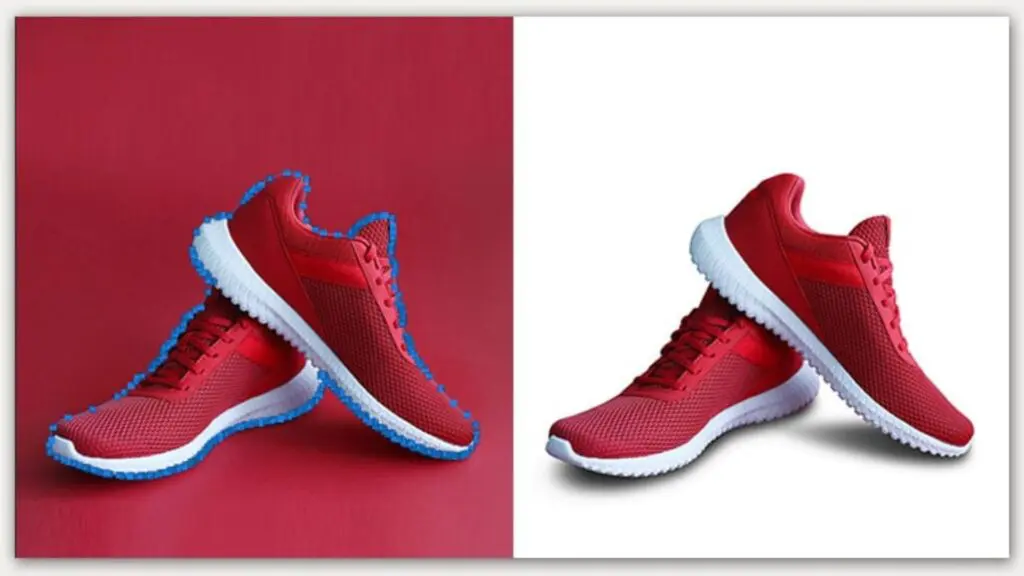
Pixelz is one of the leading ecommerce product photo retouching services for fashion brands and large-scale retailers, offering AI-supported workflows and scalable image production solutions.
Services:
- Background removal
- Clipping path
- Invisible mannequin
- Shadow creation
- Editorial retouching
- AI-powered image editing
- Digital Twin creation.
Pricing: Professional plans start at $75 per month, while enterprise solutions begin at $1995 per month with customized workflows and large-scale production support.
Delivery Time: Options range from next-day delivery to ultra-fast 1-hour processing for enterprise workflows.
7. DIGI-TEXX
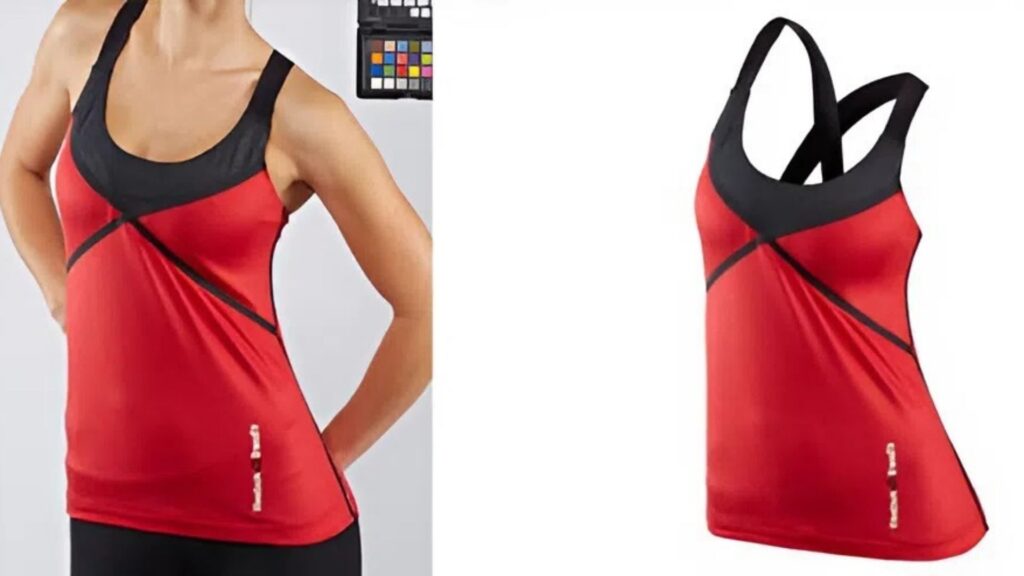
DIGI-TEXX provides ecommerce product photo retouching and image-processing support for online retailers, fashion brands, and businesses managing recurring product-image workflows. Its editing scope includes background removal, clipping paths, ghost mannequin editing, shadow creation, color correction, product retouching, and bulk image processing.
Services:
- Background removal
- Clipping pathGhost mannequin effects
- Shadow creation
- Color correction
- Product retouching
- Bulk ecommerce image editing
- AI-assisted image processing.
Pricing: Custom pricing is available based on image complexity, turnaround requirements, and project volume.
Delivery Time: Flexible turnaround options are available, ranging from standard next-day delivery to fast-track processing for enterprise ecommerce projects.
Providers to Compare for Ecommerce Photo Retouching
- FixThePhoto: Offers product-photo retouching, background editing, color correction, and shadows, including bulk orders. Evaluate a sample batch for your product category. Source: FixThePhoto Product Retouching.
- PixelPhant: Focuses on ecommerce product editing and fashion retouching, with background removal, shadows, color correction and catalog alignment. Source: PixelPhant Services.
- Pixel By Hand: Specializes in fashion post-production, including ghost mannequin, background removal, retouching and color correction guided by a brand specification. Source: Pixel By Hand Services.
- Pixelz: Offers ecommerce retouching and AI-generated content, combining automated production steps with expert retouchers and an asset-review platform. Source: Pixelz Services.
- DIGI-TEXX: Offers photo editing and image processing with requirements analysis, testing and visual quality checks. Its published virtual try-on case provides a fashion-related project example. Source: DIGI-TEXX Photo Editing Services.
- WeEdit.Photos and Wedding-Retouching: The reviewed sites focus on photography and wedding editing. Do not treat them as verified high-volume ecommerce specialists without confirming product-retouching scope. Sources: WeEdit.Photos; Wedding-Retouching.
- Selection method: This is a service-scope comparison, not an independently tested ranking. Ask shortlisted providers to edit the same representative samples and confirm batch volume, turnaround, revision terms and security requirements.
Pricing and delivery: Request a current quote for your image mix. Published starting prices and expedited options should not be treated as equivalent packages or unconditional delivery guarantees.
How to Evaluate an Ecommerce Photo Retouching Provider
Before choosing a provider, ask them to edit a representative sample batch and explain how they manage quality, delivery, and client assets. Compare providers against the same editing brief using the following criteria.
Key factors to evaluate include:
- Editing capabilities: background removal, clipping path, ghost mannequin, color correction, masking, shadows and product cleanup.
- Scalability: ability to support recurring or high-volume image batches.
- AI + human workflow: appropriate automation combined with human review where visual judgment is required.
- Quality control: documented review steps and correction procedures.
- Turnaround and capacity: delivery commitments aligned with image volume and complexity.
- Data security: controls for transferring, accessing and storing client assets.
- Sample process: ability to test representative images and agree editing standards before production.
Why Consider DIGI-TEXX for Ecommerce Photo Retouching Outsourcing?
Here are some reasons why ecommerce brands and online retailers choose DIGI-TEXX:
Scalable Workflows For High-Volume Ecommerce Projects
High-volume ecommerce image projects require consistent editing rules across large and recurring image batches. DIGI-TEXX can structure production around agreed image specifications, editing guidelines, file naming, output requirements, and quality-control checkpoints.
AI-Assisted Image Processing with Human Review
Recommended content: AI-assisted image processing can help accelerate repetitive tasks such as background separation, cropping, resizing, and selected enhancement steps. More complex e-commerce retouching may still require human judgment for color accuracy, masking, material details and brand consistency.
DIGI-TEXX’s virtual try-on case study describes refining AI-generated fashion imagery for a US-based fashion technology startup. The reported work included correcting skin tones, fabric details and visual defects. This demonstrates human review of AI outputs in that project; it does not establish that every product-retouching order uses the same AI workflow. Source: DIGI-TEXX Virtual Try-on Case Study.
Comprehensive Ecommerce Image Editing Services
DIGI-TEXX’s photo editing services cover background removal, color correction and invisible mannequin editing. Buyers can explore clipping path techniques for product isolation, fashion photo retouching for apparel imagery, and jewelry image retouching for detailed product cleanup. These capabilities sit within the company’s broader image processing services.
Flexible Turnaround Options For Ecommerce Businesses
Turnaround should be agreed upon based on image volume, editing complexity, quality requirements, and batch schedule. For recurring projects, define expected batch size, delivery frequency, and exception-handling requirements during onboarding.
Dedicated Quality Control Process
DIGI-TEXX describes a quality-control team that reviews visual properties including color, texture and feature matching. For an ecommerce project, buyers should additionally agree on acceptance criteria for crop, background, file format and product-detail preservation before production. Source: DIGI-TEXX Photo Editing Services.
Categories Included In Our Ecommerce Product Photo Retouching Services
At DIGI-TEXX, we offer a wide range of flexible product photo retouching solutions to suit the various needs of customers in the e-commerce sector. The services are constantly updated and upgraded to ensure high quality and optimize display efficiency on all sales platforms. Below are the outstanding features that we bring in our ecommerce photo retouching service:
High-Volume Ghost Mannequin Editing for Apparel Brands
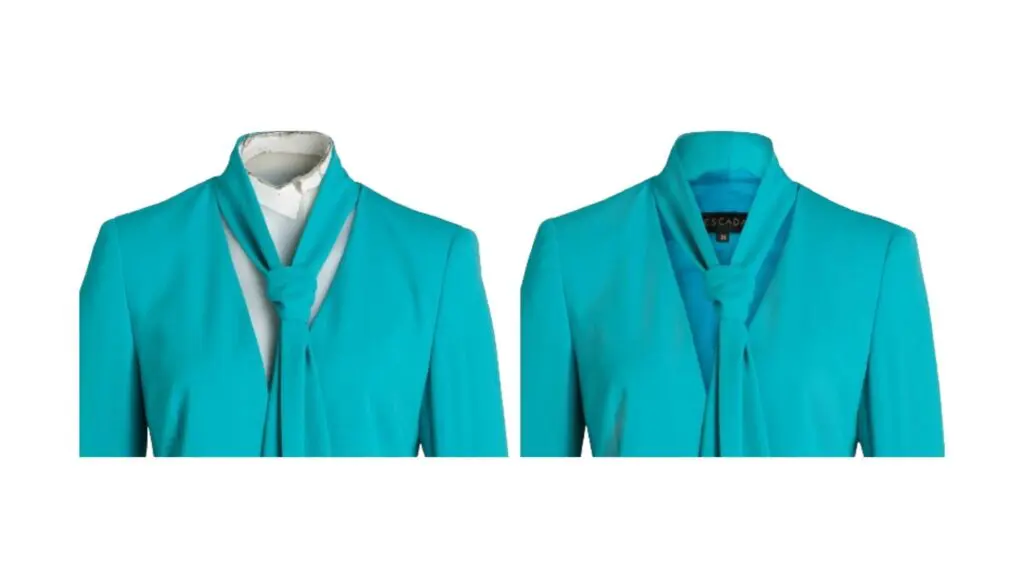
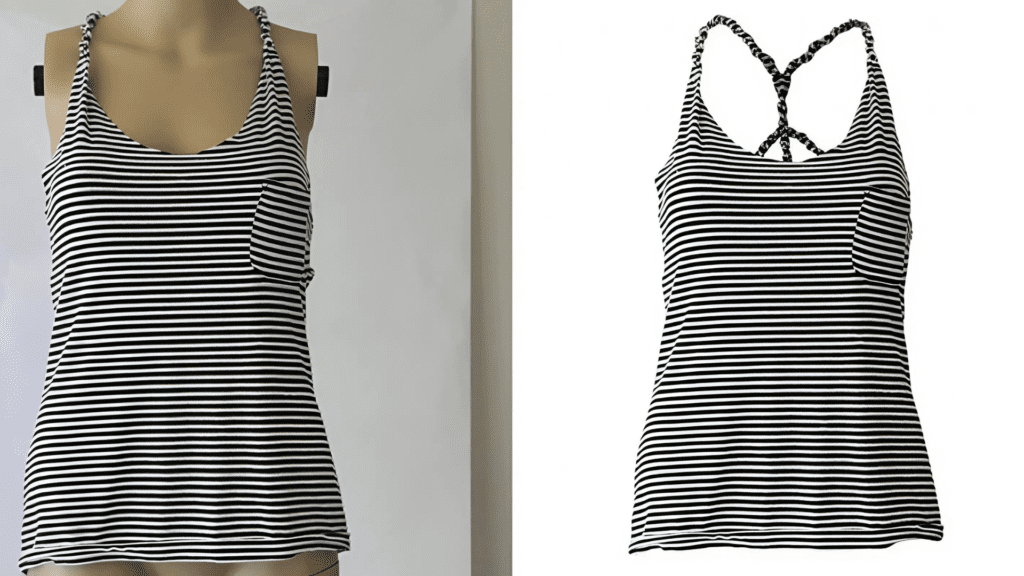
Ghost mannequin editing removes visible mannequins from apparel images and combines multiple product shots to create a clean, three-dimensional view of the garment. It is commonly used by fashion brands, online retailers, and apparel catalogs that need consistent product presentation across many SKUs.
For high-volume apparel projects, editing requirements should be standardized before production. This can include image alignment, neck-joint reconstruction, background specifications, cropping, color requirements, file naming, and output dimensions.
Add approved DIGI-TEXX evidence for apparel experience, capacity, turnaround, QA, and before/after examples.
Product Color Enhancement
Product color enhancement adjusts brightness, contrast and color values to create a consistent visual appearance across product images. Editing requirements should follow approved reference images or brand color standards where accurate color representation is important.

Precision Color Matching
Precision color matching is used when product images need to follow approved color references across different images or product variants. Depending on the workflow, editing tools can support color adjustment while human review checks the result against the approved reference.
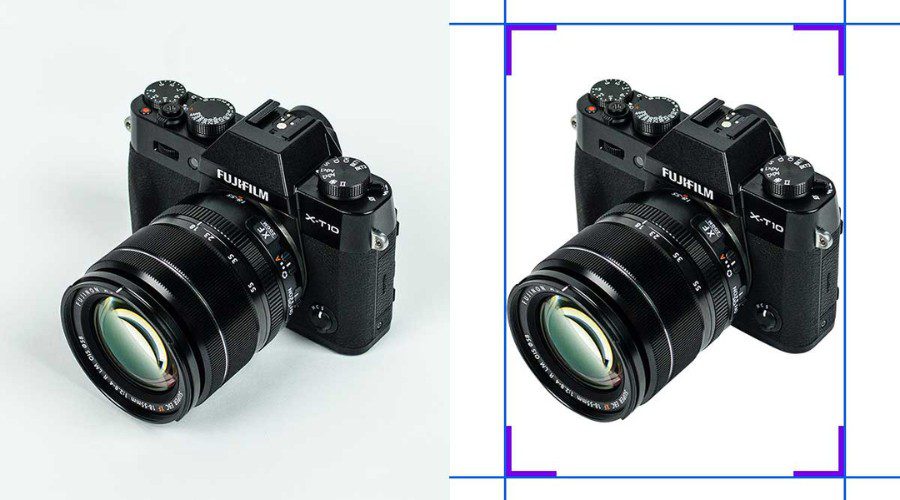
Cropping And Straightening
Cropping and straightening help standardize product positioning, composition, and image dimensions across ecommerce catalogs. Requirements can be aligned to brand guidelines or marketplace specifications.
Trimming And Reshaping
Trimming and reshaping can correct minor visual issues such as wrinkles, uneven edges, or distortions when these changes are permitted by the product-image guidelines. For catalog workflows, the objective is consistent presentation across the full image set.
Image Optimization
Image optimization balances download size with the detail shoppers need to inspect products. Prepare appropriately sized images, test compression without obscuring labels or textures, and select formats supported by the destination platform. For a brand’s own website, responsive image delivery and suitable WebP or AVIF variants can reduce unnecessary image downloads. Marketplace uploads should follow that marketplace’s requirements. Source: Google web.dev — Image Performance.

Shadow And Reflection Effects
Shadow and reflection effects can add depth and visual consistency to product images. The selected effect should follow the brand’s visual guidelines and remain consistent across the catalog.
Advanced Masking Techniques
Advanced masking is used for images with complex edges or fine details, such as hair, fur, or transparent/semi-transparent objects. The masking requirements should be defined in the project guidelines and checked during quality control.

Transparent Background Creation
Transparent background creation isolates the product and delivers an image with a transparent background, allowing the asset to be reused across e-commerce listings, catalogs, marketing materials, and other layouts.
>>> See more:
- Data Labeling Service: Benefits, Top Providers & How to Choose
- Back Office Support Services For Streamlined & Efficient Operations
- Document Indexing Services For Efficient Search & Data Access
Examples Of Ecommerce Product Photo Retouching Services By DIGI-TEXX
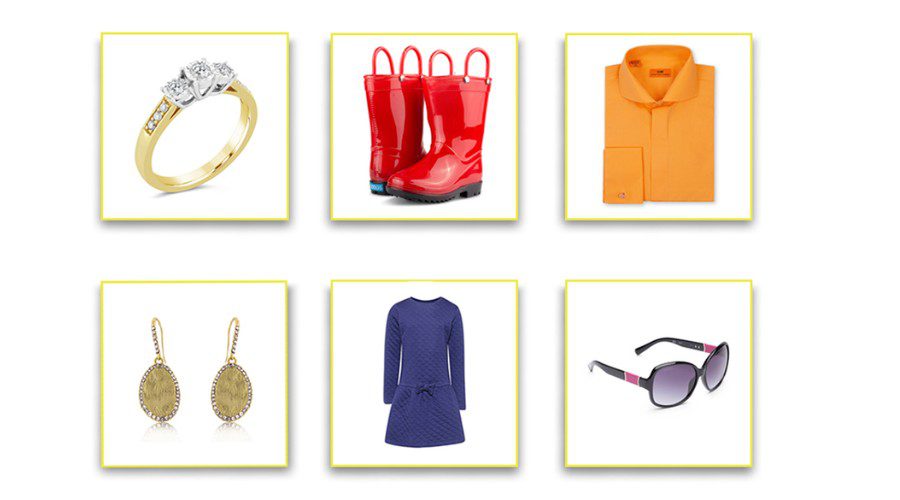
Product-retouching requirements vary by category. The examples below describe common editing tasks; they should not be presented as individual DIGI-TEXX customer projects without supporting portfolio evidence.
Examples:
- Jewelry: masking, reflection cleanup, color adjustment, and detail enhancement.
- Footwear: background standardization, shadows, alignment, and product cleanup.
- Electronics: background removal, light/color adjustment, and standardized composition.
- Cosmetics & Beauty: packaging cleanup, reflection removal, color adjustment, and product retouching.
Published project example: DIGI-TEXX’s Image Processing for Virtual Try-on AI Model case study covers work for a US-based fashion technology startup. DIGI-TEXX reports refining AI-generated model images by correcting skin-tone inconsistencies, garment textures, missing details, and lighting or shadow defects. The case supports fashion image-processing experience, rather than proving a specific bulk ghost-mannequin capacity or conversion increase. Source: DIGI-TEXX Virtual Try-on Case Study.
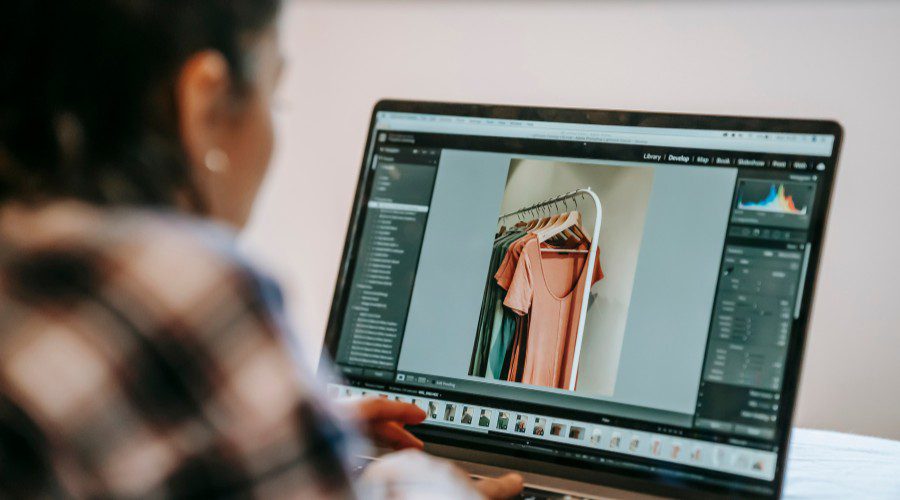
Ready to outsource product image editing? Explore DIGI-TEXX’s photo editing services and image processing services, review the virtual try-on case study, and contact DIGI-TEXX with sample images and production requirements.
- Photo Editing / Photo Retouching service.
- Image Processing Services.
- Fashion Photo Editing.
- Jewelry Photo Editing.
- Clipping Path.
- Architectural/Real Estate Photo Editing for the supporting real-estate mention.
- Relevant case studies.
- Security/certification page.
- Contact/request-a-quote page.
How to Outsource Ecommerce Product Photo Retouching
Outsourcing ecommerce product photo retouching starts with a clear brief and a tested approval process. Before sending your full catalog to a provider, agree on image standards, delivery expectations and quality control responsibilities. Follow these six steps to establish a workflow that supports consistent results across products and production batches.
Step 1: Define Your Product Image Requirements
Create an editing brief that explains how finished images should look and where they will be used. Specify requirements for your ecommerce website, marketplace listings and other sales channels, including any variations between them.
Your brief should cover:
- Background and composition: Background color or transparency, cropping, alignment, margins and product positioning.
- Image dimensions and formats: Required pixel dimensions, aspect ratios, file size limits and output formats.
- Color accuracy: Approved color references, white balance and how closely edited images should match the physical product.
- Shadows and reflections: Whether to retain natural shadows, add consistent shadows or remove unwanted reflections.
- Retouching scope: Which imperfections to remove and which product details, textures and features must remain unchanged.
- File organization: Naming conventions, SKU matching, folder structure and version labels.
Include reference images wherever possible. Showing an approved result alongside an image that requires correction helps the provider understand your expectations more precisely.
Step 2: Send Representative Samples for a Trial Batch
Select samples that reflect the variety and difficulty of your catalog. Include different product categories, materials, colors and photography conditions instead of submitting only your cleanest or simplest image.
For example, a representative trial batch might contain reflective jewelry, textured clothing, transparent packaging and products with fine edges. Include multiple views of the same product to assess whether the provider can maintain consistent color, cropping and retouching across a listing.
Ask the provider to return the samples with an explanation of the work completed, any limitations and questions that need clarification. Use this trial to assess editing quality, communication and the provider’s ability to follow your brief.
Step 3: Approve and Document the Editing Guidelines
Review the trial images and consolidate feedback into a single set of instructions. Identify what meets your expectations, what requires adjustment and which changes should apply to all future images.
Once revisions are approved, create a shared editing guide containing:
- Approved before-and-after examples.
- Rules for each product category or sales channel.
- Acceptable levels of skin, fabric, surface or packaging retouching, where relevant.
- Examples of errors such as color shifts, excessive smoothing, missing details or unnatural edges.
- Instructions for images that cannot meet the required standard without additional input.
Assign a person on your team to approve the guide and future changes. Keep the latest version accessible to both teams so editors and reviewers work from the same requirements.
Step 4: Agree on Production Volume and Turnaround Times
Share your expected image volume, batch frequency and upcoming demand peaks. Clarify whether turnaround commitments apply to individual images, complete batches or specific levels of editing complexity.
Agree on practical delivery details before production begins:
- Batch size and schedule: How many images you will submit and when completed files are due.
- Priority handling: How urgent launches or high-priority products should be flagged.
- File transfer: Where source files, completed images and feedback will be exchanged.
- Revisions: Expected correction timelines and which revisions are included in the agreed scope.
- Exceptions: How the provider should handle missing files, unclear instructions or images that require reshooting.
Confirm how changes in volume, complexity or scope affect pricing and delivery. This gives both teams a clear basis for planning routine work and handling unexpected requests.
Step 5: Establish a Quality Control and Revision Process
Define how completed images will be checked before they are approved for publishing. Use a review checklist that covers visual quality, compliance with the editing guide and technical output requirements.
Check color consistency, edge quality, preserved product details, background treatment and alignment across related images. Also verify dimensions, file formats, naming conventions and whether each file matches the correct SKU.
Agree on the provider’s internal quality checks and your team’s final approval responsibilities. Record correction requests against specific filenames, with annotated examples when needed. Track recurring issues so the provider can address their cause and update the editing guide where necessary.
Step 6: Scale Production After Sample and Workflow Approval
Start with a limited production batch after approving the samples. This allows you to confirm that the provider can maintain quality across a larger set of images while meeting delivery and communication expectations.
Review practical measures such as first-pass approval rate, revision frequency, on-time delivery and consistency between batches. Increase volume gradually once results are stable and both teams can manage file handoffs, feedback and approvals reliably.
Repeat sample approval when introducing a new product category, editing style or sales channel requirement. Keep approved references and guidelines updated as your catalog grows to help maintain consistency throughout the outsourcing relationship.
FAQs About Ecommerce Product Photo Retouching Services
How Do You Choose An E-commerce Photo Retouching Provider?
Choose a provider based on relevant ecommerce experience, editing capabilities, sample quality, ability to scale, turnaround, quality-control process, security practices and pricing model. For high-volume projects, test a representative batch before scaling production.
How Much Does It Cost To Outsource Photo Editing?
Photo-editing costs vary based on image complexity, editing technique, volume, turnaround, and quality requirements. Background removal or basic cleanup typically requires less work than complex masking, jewelry retouching, or detailed compositing.
For a project-specific quote, contact DIGI-TEXX with representative images, the required edits, batch volume, output specifications and delivery schedule. Compare quotes using the same sample set and clarify revision terms before placing a recurring order.
For an exact quote, contact DIGI TEXX at +84 28 3715 5325 for consultation and customized pricing.
Which Ecommerce Photo Retouching Services Support High-Volume Product Catalogs?
Look for providers that can handle recurring batches with approved samples, documented editing rules and agreed delivery schedules. DIGI-TEXX offers photo editing services and publishes an onboarding process that includes requirements analysis and testing. Validate its capacity for your image mix through a representative pilot before scaling.
Can AI Be Used For Ecommerce Photo Retouching?
AI can support repetitive image-processing tasks, while complex product retouching may still require human review. A hybrid workflow can be useful when businesses need both processing efficiency and consistent visual standards.
How Can Fashion Brands Outsource Ghost Mannequin Editing In Bulk?
Start by standardizing garment alignment, neck-joint reconstruction, background, crop, color references, file naming and output dimensions. DIGI-TEXX lists invisible mannequin editing among its services. Ask for a representative apparel test and confirm batch capacity, quality criteria and delivery timing before commissioning a large catalog.
Ecommerce product photo retouching services help businesses improve product presentation and support better sales performance. With an experienced team and modern processing technology, DIGI TEXX delivers high quality image solutions that align with each brand’s visual standards. To learn more about our services, please contact DIGI TEXX through the following information.
DIGI-TEXX Contact Information:
🌐 Website: https://digi-texx.com/
📞 Hotline: +84 28 3715 5325
✉️ Email: [email protected]
🏢 Address:
- Headquarters: Anna Building, QTSC, Trung My Tay Ward
- Office 1: German House, 33 Le Duan, Saigon Ward
- Office 2: DIGI-TEXX Building, 477-479 An Duong Vuong, Binh Phu Ward
- Office 3: Innovation Solution Center, ISC Hau Giang, 198 19 Thang 8 street, Vi Tan Ward
Reference:
- World Wide Web Consortium. Image optimization techniques for web performance. Retrieved from https://www.w3.org
- Cornell University. Visual perception and consumer behavior research. Retrieved from https://ecommons.cornell.edu
{
  "@type": "FAQPage",
  "@id": "https://digi-texx.com/technology/ecommerce-photo-retouching-services/#faq",
  "isPartOf": {
    "@id": "https://digi-texx.com/technology/ecommerce-photo-retouching-services/#webpage"
  },
  "inLanguage": "en",
  "mainEntity": [
    {
      "@type": "Question",
      "name": "How Do You Choose An E-commerce Photo Retouching Provider?",
      "acceptedAnswer": {
        "@type": "Answer",
        "text": "Choose a provider based on relevant ecommerce experience, editing capabilities, sample quality, ability to scale, turnaround, quality-control process, security practices and pricing model. For high-volume projects, test a representative batch before scaling production."
      }
    },
    {
      "@type": "Question",
      "name": "How Much Does It Cost To Outsource Photo Editing?",
      "acceptedAnswer": {
        "@type": "Answer",
        "text": "Photo-editing costs vary based on image complexity, editing technique, volume, turnaround, and quality requirements. Background removal or basic cleanup typically requires less work than complex masking, jewelry retouching, or detailed compositing.\n\nFor a project-specific quote, contact DIGI-TEXX with representative images, the required edits, batch volume, output specifications and delivery schedule. Compare quotes using the same sample set and clarify revision terms before placing a recurring order.\n\nFor an exact quote, contact DIGI TEXX at +84 28 3715 5325 for consultation and customized pricing."
      }
    },
    {
      "@type": "Question",
      "name": "Which Ecommerce Photo Retouching Services Support High-Volume Product Catalogs?",
      "acceptedAnswer": {
        "@type": "Answer",
        "text": "Look for providers that can handle recurring batches with approved samples, documented editing rules and agreed delivery schedules. DIGI-TEXX offers photo editing services and publishes an onboarding process that includes requirements analysis and testing. Validate its capacity for your image mix through a representative pilot before scaling."
      }
    },
    {
      "@type": "Question",
      "name": "Can AI Be Used For Ecommerce Photo Retouching?",
      "acceptedAnswer": {
        "@type": "Answer",
        "text": "AI can support repetitive image-processing tasks, while complex product retouching may still require human review. A hybrid workflow can be useful when businesses need both processing efficiency and consistent visual standards."
      }
    },
    {
      "@type": "Question",
      "name": "How Can Fashion Brands Outsource Ghost Mannequin Editing In Bulk?",
      "acceptedAnswer": {
        "@type": "Answer",
        "text": "Start by standardizing garment alignment, neck-joint reconstruction, background, crop, color references, file naming and output dimensions. DIGI-TEXX lists invisible mannequin editing among its services. Ask for a representative apparel test and confirm batch capacity, quality criteria and delivery timing before commissioning a large catalog."
      }
    }
  ]
}