
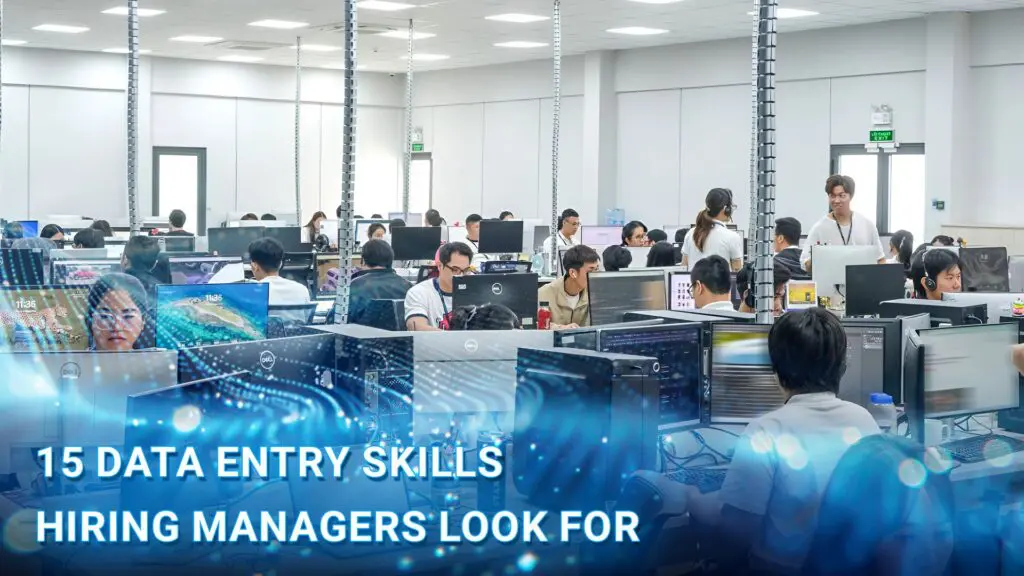
Data shapes nearly every decision a modern business makes. Behind the dashboards, reports, and forecasts that guide those decisions sits a critical workforce: the people who input, organize, and verify that data with speed and precision. Whether you want to get into the field or simply become better at what you are already doing, you have come to the right place.
In this article, DIGI-TEXX will explain which data entry skills matter and how you can develop them without all the corporate mumbo jumbo.
>>> See more:
- Top 10 Data Processing Software For Business 2026 – Best Tool Reviewed
- Top 10 Best Data Entry Outsourcing Companies in USA 2026
- Best Real Estate Image Processing Services 2026: Top 15 Providers
What Are Data Entry Skills?
Data entry skills are the attributes and competencies related to processing, recording, and tracking various data and information sets. These skills go far beyond just typing, they encompass a wide range of technical, organizational, and interpersonal abilities that allow professionals to accurately manage information across different systems and platforms.
Data entry professionals may be responsible for compiling and sorting data, transcribing audio files into text, fact-checking records, reviewing data for inconsistencies, entering raw data into spreadsheets or databases, and merging files to update outdated information.
Because the data entered by a specialist often feeds directly into analysis, reporting, and decision-making, the quality of that input has consequences far beyond the data entry role itself. A single inaccuracy can distort analysis, mislead business decisions, and create costly corrections downstream. This is why employers across industries treat data entry skills as a foundational hiring requirement, not an afterthought.

Top 14 Data Entry Skills For Your Resume
Below are the 14 data entry skills that consistently appear in job postings and that experienced hiring managers actively screen for. Each one makes a real difference, not just on paper, but in how well the work actually gets done.
1. Ability To Research And Collect Data
The ability to research and collect data is often emphasized in job postings for data entry skills positions. Many data entry roles require you to find and verify information on your own. You might need to confirm a client’s contact details, fact-check figures before entering them, or populate a brand-new database from multiple external sources.
This means you should excel at researching online, know how to fact-check information, and know what to do when there is conflict between sources.

2. Typing Speed And Accuracy
Speed matters, but accuracy matters more. Most entry-level positions ask for 40 to 50 words per minute, yet a steady 60 to 80 WPM with good accuracy opens doors you didn’t even know were there. One veteran tip never gets old: focus on accuracy first, because fixing a clean draft once is far better than correcting ten frantic mistakes.
3. Proficiency With Data Entry Software
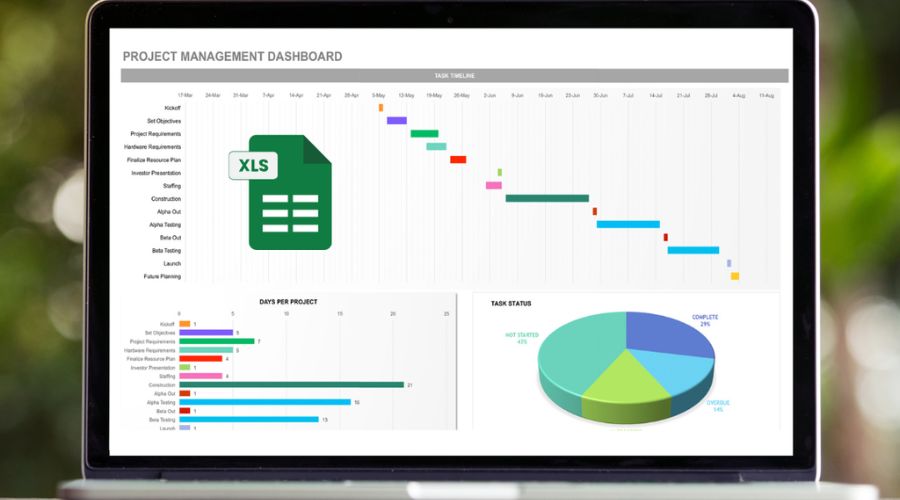
Excel and Google Sheets will follow you everywhere in this field, so mastering them is not optional. Learn keyboard shortcuts, get comfortable with formulas, explore basic macros, and understand data validation features. These are not advanced tricks, they are everyday tools that experienced professionals use to work faster and with fewer errors.
>>> See more:
- Best Business Process Automation Solutions & Tools 2026
- How To Prepare a Classified Balance Sheet: Template & Example
- Healthcare BPO Services For Revenue Cycle & Claims Management
4. Attention To Detail
A lot of people get mixed up at this point. Data entry skills mean you have to detect small errors that might cause major problems later on. We’re talking about finding typos, noticing when numbers don’t add up right off, and spotting duplicates–all the little things like that that require attention to detail.
Some folks spot a missing comma from across the room, while others have to practice looking closer. Either way, training your eyes to catch errors saves everyone time and keeps the numbers honest.
5. Organizational Skills
Organizational skills are crucial for data entry professionals, who often manage data from multiple departments and file formats with varying deadlines. Strong organization helps track completed tasks, pending entries, and follow-ups, ensuring nothing is overlooked. Consistent file naming, logical folder structures, and clear status updates distinguish reliable professionals from those who are just fast.

6. Time Management
Time management and organizational skills are essential in every industry, including data entry. These abilities help develop good habits, prioritize tasks, and improve efficiency. By planning and scheduling work, data entry specialists can complete more tasks in less time, ensuring they meet daily targets effectively.
>>> See more:
- Secure Data Annotation Services: Top Companies & How to Choose
- Document Management Outsourcing: Benefits, Services & Companies
- Healthcare Back-Office Support Services For Efficient Operations
7. Communication Skills
You’d be surprised how much communication matters in this job. You’ll need to ask questions when data doesn’t make sense, explain issues to your supervisor, and sometimes work with other departments to get missing information. Being able to communicate, both in writing and in person, makes everything smoother.

8. Problem-Solving
Problem-solving is the ability to recognize problems, find solutions for them, and execute those plans well. For example, this data entry skill is vital for solving issues such as data inconsistencies, system failures, or organizational problems.
In most cases, data entry professional face challenges in troubleshooting problems with their respective data entry systems or correcting mistakes that have been made in existing records. Thus, they should have effective problem-solving skills, which assist them in providing quick solutions and maintaining a smooth flow of the working process.

>>> Explore more:
- 15 Best Data Labeling Service Providers In 2026
- Professional E-commerce Data Entry Services by DIGI-TEXX
- Data Labeling Service: Benefits, Top Providers & How to Choose
9. Self-Motivation
Many data entry positions, especially remote roles, involve a significant degree of independence. Supervisors may not be directly monitoring your daily work, which means you need to hold yourself accountable and stay productive on your own.
Self-motivation can be challenging when tasks feel repetitive, which is a reality in many data entry jobs. To keep yourself energized, consider setting small personal rewards after completing segments of your work. Taking a short walk or a coffee break after finishing half your daily quota, for instance, can help you recharge and maintain consistent output.
10. Critical Thinking
Critical thinking is a vital data entry skill because it involves objectively analyzing information and making sound decisions based on available evidence. Data entry professionals sometimes have to decide how to categorize ambiguous data, handle conflicting records, or flag entries that seem out of place.
With critical thinking, one can think fast and make the right decision, thereby improving efficiency in any task at hand. Ways of developing your critical thinking include:
- Participate in problem-solving activities
- Diversify your reading across different subjects and genres.
- Take specialized courses

>>> See more:
- Data Validation & Verification: Differences With Clear Examples
- Invoice Reconciliation Process Steps | DIGI-TEXX
- Intelligent Document Processing Services: How It Works & Business Benefits
11. Teamwork
Although data entry may seem like an individual task, it is often highly collaborative. The data entered is used by others for reporting, analysis, and decision-making, so working well with teammates to source, verify, and review information ensures accuracy and usefulness. Effective teamwork improves workflow efficiency, whether it’s flagging errors, clarifying data requirements, or participating in group reviews. Data entry professionals should know how to collaborate and work on a team with others.
12. Focus
Sustained focus is a key but often overlooked. Accurately entering large volumes of data over long periods requires blocking out distractions and maintaining concentration. Data entry professionals with a consistent focus, shown through high accuracy and low error rates, assure employers that quality is maintained even during heavy workloads.
13. Confidentiality
Data entry professionals often handle sensitive information, such as patient records, financial transactions, and client details. Maintaining confidentiality is not only a professional requirement but also a legal one in industries like healthcare, finance, and the legal sector. Familiarity with regulations like HIPAA or GDPR and a proven track record of handling sensitive data responsibly can set you apart as a trustworthy candidate.

>>> See more:
- Outsourced Order Processing Services – Fast & Accurate
- Document Indexing Services For Efficient Search & Data Access
- Back Office Support Services For Streamlined & Efficient Operations
14. Adaptability
As data entry tools and technologies evolve, adaptability becomes crucial. With new software, changing database structures, and increased use of automation and AI, professionals must quickly learn new systems, adjust workflows, and stay calm under shifting demands. Employers value candidates who are eager to grow and adapt, not just those comfortable with familiar tools.
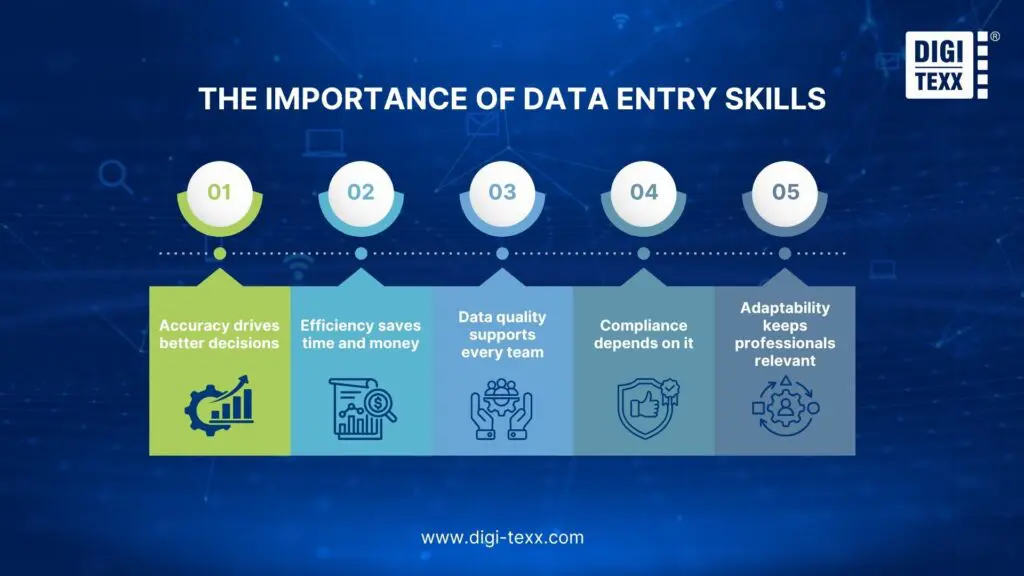
The Importance Of Data Entry Skills
Employing a proficient data entry specialist or company is crucial for an organization’s success. A skilled data entry professional can support the organization in the following ways:
- Accuracy drives better decisions: Data entered by a specialist feeds directly into reports, forecasts, and strategic planning. A single error can distort an entire analysis and trigger costly corrections downstream. Strong attention to detail protects data integrity at the source.
- Efficiency saves time and money: Skilled professionals process high volumes of information quickly and consistently, reducing cycle times and labor costs while freeing teams for higher-value work.
- Data quality supports every team: Records managed by a data entry professional are rarely used by that person alone. When information is accurate and well-organized, every downstream user, in sales, operations, customer service, and leadership, benefits directly.
- Compliance depends on it: In regulated industries like healthcare and finance, skills such as confidentiality and knowledge of HIPAA or GDPR standards are legally required, not optional. High data entry standards protect organizations from regulatory risk.
- Adaptability keeps professionals relevant: As automation and AI continue reshaping the field, professionals who combine core data entry skills with a willingness to learn new tools will remain indispensable.
>>> See more:
- Insurance Back Office Support Services for Insurers & Agencies
- Ecommerce Back Office Support Services By DIGI-TEXX
- Product Photo Editing Services For eCommerce In The US
How To Improve Data Entry Skills?
As technology advances with new tools being invented frequently, so too should their skills improve accordingly. Consistently working on bettering yourself ensures that you stay relevant as markets change and also maximizes efficiencies while ensuring accuracy is maintained throughout each process
Stay Updated On Software
In the field of data entry, technology updates happen regularly, and keeping up with the latest software changes enhances your skills and sharpens your competitive edge. Each update usually brings new features, shortcuts, and tools that help in completing tasks more efficiently.
Seek Feedback Regularly
Constructive feedback from peers and supervisors can highlight habits you may not even be aware of. Over time, it is easy to develop shortcuts or workarounds that seem efficient but actually introduce errors. By actively seeking and embracing feedback, you can correct established habits, relearn better practices, and continuously raise the quality of your output.

>>> Explore more:
- Administrative Support Outsourcing: 2026 Complete Guide
- Architectural Photo Editing Service in the US | Top 5 Providers
- Medical Claims Processing Outsourcing For Healthcare Providers
Utilize Online Typing Tools
Typing speed is also a necessity in the data entry field. As such, 10FastFingers and Typing.com are highly recommended in this regard. Regular practice should make data entry tasks faster and more productive. However, remember not to sacrifice accuracy. No matter how efficient these programs make you, double-check your work after using these tools to ensure top-notch results.
Memorize Keyboard Shortcuts
Keyboard shortcuts provide an excellent method for accelerating your data entry processes. Simple commands like “Ctrl + C” for copying and “Ctrl + V” for pasting can eliminate repetitive steps and make tasks more efficient. Consider exploring online guides or watching tutorial videos to learn shortcuts that can enhance your workflow. Mastering these shortcuts saves time and helps you work more effectively.

Proofread Your Work
While speed in work may impress employers, work quality is equally crucial. Making proofreading systematic checks helps spot errors, be it minor oversights or even bigger mistakes, that affect the integrity of data. Any errors, regardless of how small, can lead to misinterpretations, incorrect analyses, or flawed business decisions. Proofreading works to mitigate these issues by maintaining data integrity. Techniques such as reading aloud, taking short breaks, or even spell-checking can be handy in error detection.
>>> See more:
- What are the 6 steps of the data analysis process?
- Top 10 Data Entry Outsourcing Companies to Hire in 2026
- Top 10 Best big data processing tool for Business 2026
Set Aside Dedicated Time
Inaccuracy and speed can both be negatively impacted by distractions. In an effort to retain focus, dedicate blocks of time for data entry with no interruptions. During such periods, do not allow notifications and create a distraction-free environment. This method works to enhance focus, improve speed, and minimize errors.
Or you may want to explore DIGI-TEXX’s data entry services to optimize your business’s data management processes.

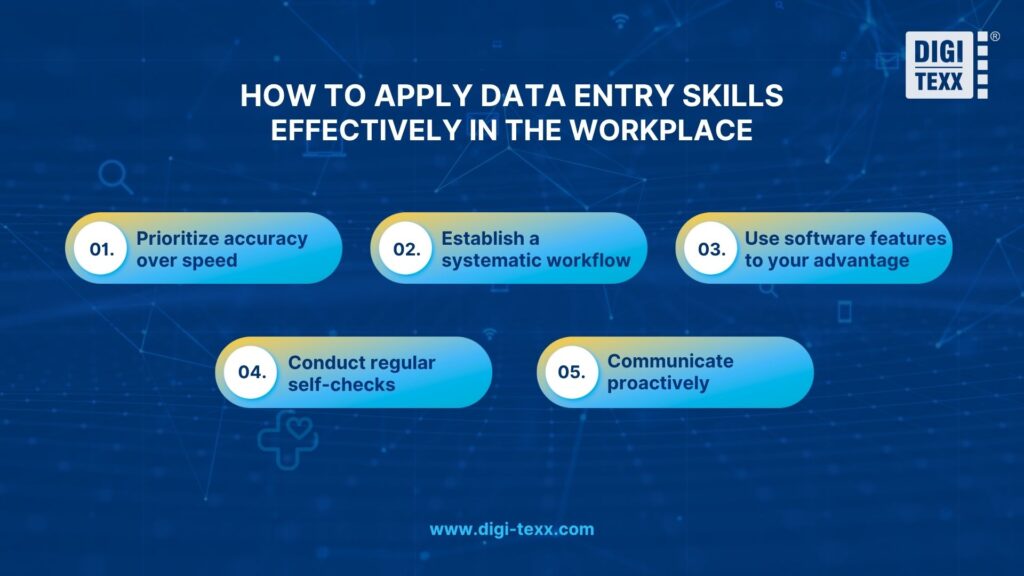
How To Apply Data Entry Skills Effectively In The Workplace?
Possessing data entry skills is the starting point; applying them consistently in a professional environment requires intentional practice. The following approaches help translate individual ability into reliable, high-quality output.
- Prioritize accuracy over speed: Speed will increase naturally with experience. Committing to accuracy from the start builds habits that reduce the time spent on corrections, a far more efficient path to high output than racing through entries and cleaning up errors afterward.
- Establish a systematic workflow: A structured approach to each data entry session, organizing source documents, setting up the entry format, working sequentially, and reviewing before closing, produces more consistent results than an ad hoc approach.
- Use software features to your advantage: Validation rules, auto-fill functions, dropdown menus, and conditional formatting in spreadsheet and database tools exist to reduce errors and save time. Learning these features and incorporating them into daily work is a mark of a skilled specialist.
- Conduct regular self-checks: Building verification into the workflow, rather than treating it as an optional final step, catches errors while they are still easy to correct and prevents them from affecting the work of others.
- Communicate proactively: When source data is ambiguous, incomplete, or inconsistent, a skilled specialist raises the issue promptly rather than guessing. This protects the accuracy of the database and builds credibility with colleagues and managers.
FAQs About Data Entry Skills
What Are Data Entry Examples?
Data entry skills are defined as putting, updating, or maintaining information in digital systems, and can also include transcribing handwritten documents or creating printed records digitally. Other examples are processing paper documentation, like surveys and applications, to remove the physical storage burden. Another example is the entry of numerical and text data into reports analyzing software, spreadsheets, or databases like Excel, Google Sheets, etc.
How Do I Explain My Data Entry Experience?
When describing your data entry skills experience, focus on describing the data entry tasks you have done. skills you have acquired, and the value you have added in your prior roles. Highlight your accuracy standards and efficiency, along with your software and systems skills.
Is A Data Entry Job Easy?
A data entry job is typically considered easy to start, as it generally requires basic computer skills, attention to detail, and accurate typing rather than advanced qualifications or specialized experience. However, the level of “ease” can vary depending on the person and the specific role.
Some data entry positions may require patience and the ability to handle large volumes of work, while others may be less demanding and involve fewer time constraints. The perception of how easy the job is often depends on individual skills and the nature of the tasks involved.
What Is Required For A Data Entry Job?
Data entry jobs require the ability to enter data and information in high volumes into spreadsheets or databases making it the most critical skill. Some essential skills are:
- High typing speed and accuracy: A minimum of 60-80 words typed per minute with a low error rate ensures efficiency for all tasks.
- Software proficiency: Knowledge of Microsoft Excel, Google Sheets, and other related databases and their functions for effective data handling.
- Attention to detail: Guaranteeing that the data captured is precise and consistent reduces the need for changes and the time spent correcting.
- Data management: The ability to methodically arrange, categorize, and authenticate data and information to maintain its accuracy and integrity, ensuring streamlined retrieval during business operations.
What Are 5 Good Skills To Put On A Resume?
For a data entry resume, five skills that consistently stand out to hiring managers are:
- Attention to detail
- Problem-Solving
- Teamwork
- Adaptability
- Proficiency with data entry software.
These five cover the technical and professional fundamentals that employers across every industry look for when evaluating data entry candidates. Supporting each skill with specific examples or metrics makes your resume far more compelling than simply listing the terms.
Will Data Entry Jobs Be Replaced By AI?
AI is certainly reshaping the data entry field, but it isn’t completely replacing human workers. While AI tools like ChatGPT, Excel macros, and OCR scanners automate routine tasks such as copying, formatting, and organizing data, the role of data entry professionals is evolving. Rather than making these jobs obsolete, AI is enhancing the capabilities of workers and raising expectations for their skills.
In conclusion, data entry skills are essential for ensuring the accuracy, efficiency, and organization of information within any business or organization. From high typing speed and proficiency in software like Excel and Google Sheets to attention to detail and strong problem-solving abilities, mastering these skills is crucial for success in data entry roles.
Known for their expertise in data management and entry, DIGI-TEXX can provide valuable resources and a professional environment to help you further develop your skills and grow in this field. Whether you’re looking for training or real-world applications, DIGI-TEXX offers a range of opportunities to elevate your data entry expertise.
If you have any questions or would like expert advice on data analytics services, please feel free to contact us using the information below.
DIGI-TEXX Contact Information:
🌐 Website: https://digi-texx.com/
📞 Hotline: +84 28 3715 5325
✉️ Email: [email protected]
🏢 Address:
- Headquarters: Anna Building, QTSC, Trung My Tay Ward
- Office 1: German House, 33 Le Duan, Saigon Ward
- Office 2: DIGI-TEXX Building, 477-479 An Duong Vuong, Binh Phu Ward
- Office 3: Innovation Solution Center, ISC Hau Giang, 198 19 Thang 8 street, Vi Tan Ward
Reference:
- Marshall University. Importance of data quality. https://www.marshall.edu/irp/2023/10/04/importanceofdataquality/
- National Centre for Vocational Education Research. (n.d.). Data quality principles. https://www.ncver.edu.au/research-and-statistics/data-quality-principles